How Will AECOM's AI Fellowship Transform Infrastructure Tale
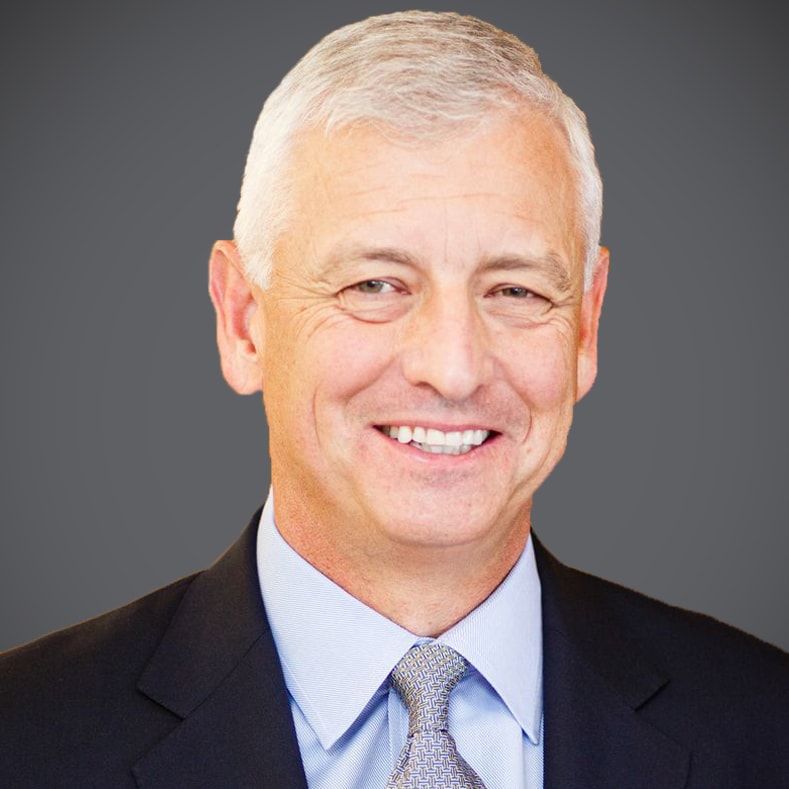
AECOM has partnered with Southern Methodist University to launch a doctoral fellowship program focused on AI applications in infrastructure engineering. The initiative, backed by CEO Troy Rudd, aims to address the critical shortage of professionals who combine AI expertise with deep infrastructure domain knowledge.
AECOM and Southern Methodist University have announced a strategic partnership to advance AI-driven research, workforce development, and talent cultivation in infrastructure engineering. Formally launched on April 1, 2026 at SMU’s Industry Innovation Summit, the collaboration centers on a new doctoral fellowship program within SMU’s Lyle School of Engineering.
The fellowship targets PhD and Doctor of Engineering candidates researching AI applications in infrastructure, with co-mentoring by SMU faculty and AECOM technical leaders on real-world commercial engineering challenges. A joint advisory board comprising representatives from both organizations will govern the program, ensuring alignment between research priorities and industry demands while preserving academic independence.
Who Is Behind It
The partnership carries significant executive weight. AECOM Chairman and CEO Troy Rudd has been directly involved in the announcement, alongside Dr. Nader Jalili, the Mary and Richard Templeton Dean of SMU’s Lyle School of Engineering. AECOM leaders Lara Poloni and Janne Aas-Jakobsen — the company’s Head of AI for Engineering — are also driving the initiative. On the SMU side, Dr. Amin Salehi-Khojin and Dr. Usama El Shamy round out the academic leadership.
This level of C-suite engagement from both sides signals that the partnership is not a token academic sponsorship. When a CEO and a dean are jointly announcing a program, both organizations are putting their reputations behind its success.
Why This Matters for Enterprise AI
By co-mentoring doctoral candidates alongside industry and academic leaders, we’re investing in the next generation of engineers who will apply AI responsibly, at scale, and with lasting impact for communities worldwide.
The infrastructure sector faces a unique AI talent challenge. Unlike tech companies that can recruit from a deep pool of AI engineers, infrastructure firms need professionals who understand both AI and the physical complexities of bridges, water systems, transportation networks, and energy grids. This dual expertise is extremely rare, and AECOM’s decision to invest in growing it from the doctoral level represents a long-term strategic bet.
The program also addresses a growing concern in enterprise AI: the gap between what AI can theoretically do and what organizations can actually deploy. By embedding doctoral researchers in real AECOM projects, the fellowship creates a pipeline of AI talent that arrives pre-trained on the specific challenges and constraints of infrastructure engineering — a far more efficient model than hiring general-purpose AI engineers and hoping they learn the domain.
The Broader Landscape
AECOM’s move comes amid a surge in AI-focused academic-industry partnerships across the United States. Major engineering and professional services firms are increasingly recognizing that the AI talent war cannot be won solely in the hiring market — it must also be won in the classroom and the research lab. McKinsey estimates that the U.S. will face a shortage of 200,000 to 250,000 AI-skilled workers by 2028, with infrastructure and built-environment sectors among the most acutely affected.
For AECOM’s competitors — firms like Jacobs, WSP, and Arcadis — this partnership raises the competitive stakes. The company that builds the deepest bench of infrastructure-AI talent will have a structural advantage in winning and delivering the next generation of complex projects, from smart cities to climate-resilient transportation networks.
What to Watch Next
The fellowship’s first cohort will be the initial test of whether the model works. Key metrics to watch include the research output, the speed at which fellows transition to commercial roles, and whether the joint advisory board structure successfully balances academic rigor with industry relevance. If AECOM and SMU can demonstrate that this model produces both publishable research and deployable AI solutions, expect other infrastructure firms to launch similar programs within 12 to 18 months.
For AIM readers, this is a signal that enterprise AI maturity in infrastructure is advancing beyond tools and platforms to the more fundamental question of human capital. The companies that solve the talent equation will be the ones that lead the AI-enabled infrastructure era.
Key Takeaways
- AECOM and SMU have launched a doctoral fellowship program focused on AI applications in infrastructure engineering, with co-mentoring by industry and academic leaders
- The U.S. faces a projected shortage of 200,000-250,000 AI-skilled workers by 2028, with infrastructure sectors among the hardest hit
- CEO Troy Rudd's direct involvement signals this is a strategic priority, not a token academic sponsorship
- The program addresses the rare dual-expertise gap — professionals who understand both AI and physical infrastructure complexities
- If successful, expect competing firms like Jacobs, WSP, and Arcadis to launch similar academic-industry AI partnerships within 12-18 months