AI Is Replacing Workers. CEOs Are No Longer Pretending Otherwise.
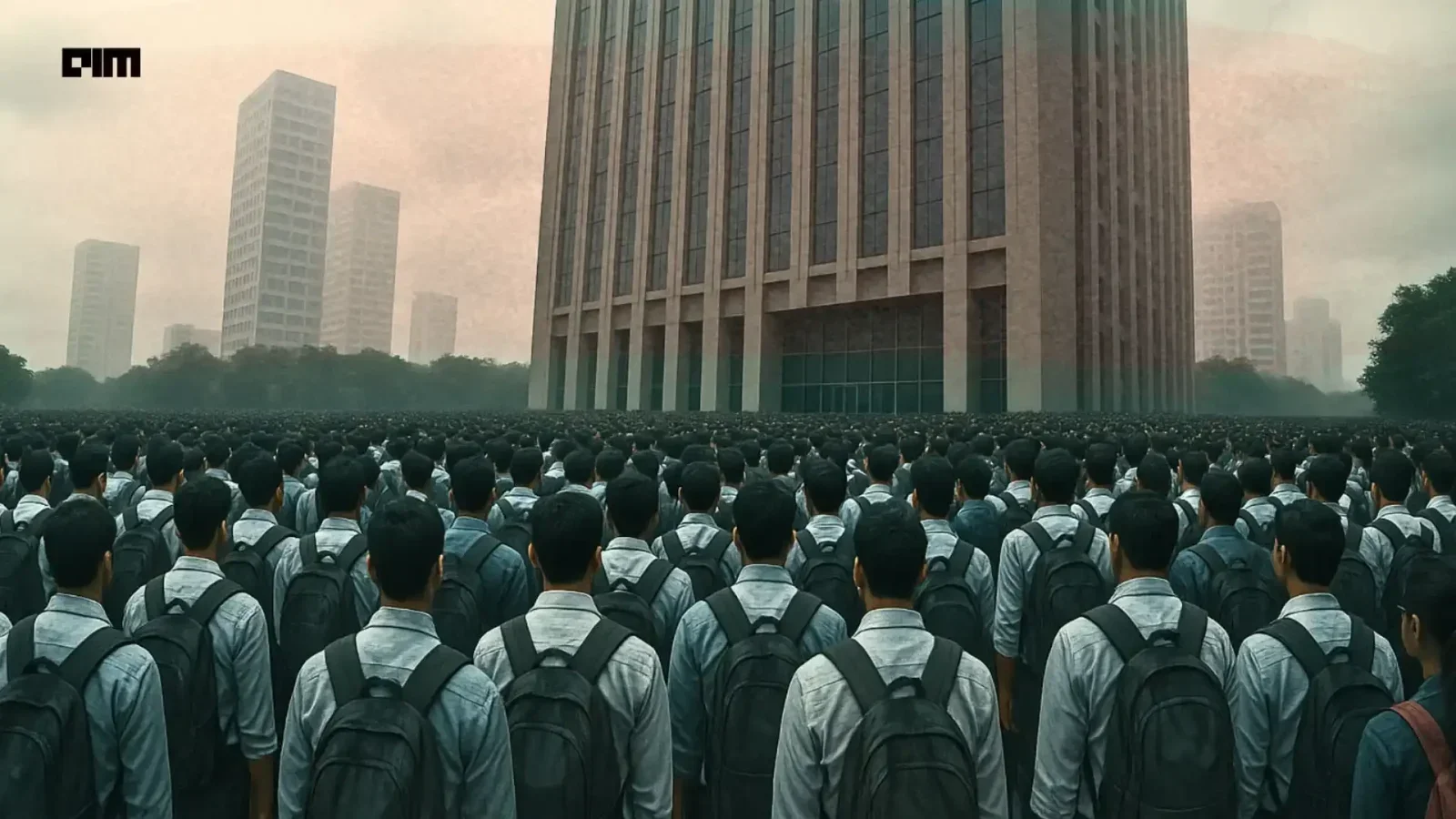
Standard Chartered, HSBC, and Meta cut tens of thousands of jobs this week. Their CEOs stopped pretending AI had nothing to do with it.
For a long time, the message from the top was consistent. AI makes employees more productive. The technology is a tool, not a replacement. No significant layoffs are planned.
This week, that message ended. In the span of 48 hours, three of the world's largest organizations said openly what most had only implied: AI is replacing workers, the displacement is deliberate, and employees should stop expecting reassurance and start accepting the transition.
What CEOs Said This Week
Standard Chartered CEO Bill Winters announced on May 19, 2026 that the bank would cut more than 15% of its corporate function roles by 2030, approximately 7,800 positions from a workforce of 82,000. He did not frame it as efficiency. He framed it as substitution.
"It's not cost-cutting," Winters said. "It's replacing in some cases lower-value human capital with the financial capital and the investment capital we're putting in."
The phrase "lower-value human capital" is not the language of a company protecting its workforce. It is the language of a company that has already made its calculation and is explaining the result.
The following morning, HSBC CEO Georges Elhedery addressed investors and analysts in Hong Kong. His message to the bank's 211,000 employees, delivered publicly, at an investor event, was equally direct.
"We all know generative AI will destroy certain jobs and will create new jobs," he said. He then urged staff to be "on the journey with us, not fighting us, not disenfranchised, not anxious, overwhelmed and resisting the change."
HSBC is weighing cuts of up to 20,000 roles, roughly 10% of its global workforce, concentrated in non-client-facing middle and back-office functions.
Also on May 20, Meta began notifying approximately 8,000 employees that they are being laid off, 10% of its total workforce, as the company redirects resources toward AI infrastructure.
Meta's projected capital expenditure for 2026 runs from $125 billion to $145 billion, more than double its 2025 outlay.
Engineering and product divisions are bearing a disproportionate share of the reductions. Meta leaders have told staff that further cuts beyond this round are possible later in the year.
The Language Has Shifted
Job cuts tied to AI are not new. What is notable about this week is not the numbers. It is how the announcements were made, and to whom.
Elhedery did not say AI might affect some roles over time. He said it will destroy certain jobs. He said it at an investor event, not in an internal memo. And he asked employees not to resist. That is a request aimed at people who are watching colleagues receive layoff notices.
Winters did not frame the cuts as conventional efficiency measures. He said Standard Chartered was replacing “lower-value human capital” with financial and investment capital. He said the bank is replacing human capital with financial capital.
The remarks were deliberate enough that both executives made them in investor-facing settings tied to long-term strategy and returns targets.
The shift matters because it changes the implicit contract that has governed AI communication in corporate environments. When executives say AI will make employees more productive, they are asking employees to adopt the technology.
When executives say AI will destroy certain jobs and ask employees not to resist, they are asking employees to accept their own displacement, and to do so without the anxiety or opposition that might complicate the transition.
The executives making these announcements are being rewarded for making them. Standard Chartered reported record earnings alongside its job cut announcement.
Meta's stock has risen as its AI capital expenditure and layoff plans have been disclosed. HSBC's shares were up on the day Elhedery made his comments to investors.
Investors have largely treated these announcements as part of broader efficiency and return-expansion strategies tied to AI adoption. The people being asked not to resist are watching the people asking them benefit from the asking.
The Scale Behind the Language
The Layoffs.fyi tracker recorded approximately 110,000 job cuts at 137 technology companies in 2026 through May, a pace approaching the 2023 peak of more than 260,000 cuts that followed the pandemic hiring boom.
Amazon confirmed approximately 16,000 corporate cuts in January. Oracle sent layoff notices to thousands in March as part of its AI data center push. Atlassian cut 10% of its global headcount. PayPal announced 4,500 cuts tied explicitly to AI process redesign.
Both HSBC and Standard Chartered offered a counter-narrative alongside the cuts. Elhedery said AI would make employees "more productive versions of themselves." Standard Chartered said some affected staff will move into other roles inside the business.
Read more: HSBC Appoints David Rice as its first Chief AI Officer
The retraining argument is being made in the same breath as the displacement argument, as it has been made in every previous wave of automation.
What has changed in May 2026 is not the volume. It is the candor. The executives cutting jobs this week did not reach for reassurance. They reached for honesty, and then asked employees to meet them there.
Key Takeaways
- Acknowledge that AI is deliberately replacing workers across major corporations.
- Understand that CEOs are shifting their messaging to reflect job displacement as a reality.
- Recognize the language used by CEOs indicates a calculated decision to replace human roles.
- Prepare for significant job cuts, particularly in corporate functions, as seen with Standard Chartered's announcement.
- Embrace the change, as new job opportunities may arise alongside AI's impact on existing roles.