Goldman Sachs Breaks Up TMT to Chase the AI Infra Boom
The reorganization follows a year of rising AI-driven deal activity, internal restructuring, and a surge in data center and semiconductor investment.
Goldman Sachs has redrawn the map of its Technology, Media and Telecom investment banking division, creating two new groups that reflect how artificial intelligence is reshaping capital flows across the technology sector. The firm confirmed the move in an internal memo, first reported by Reuters, saying it aims to “enhance our coverage model to serve our clients’ ambitions and objectives”.
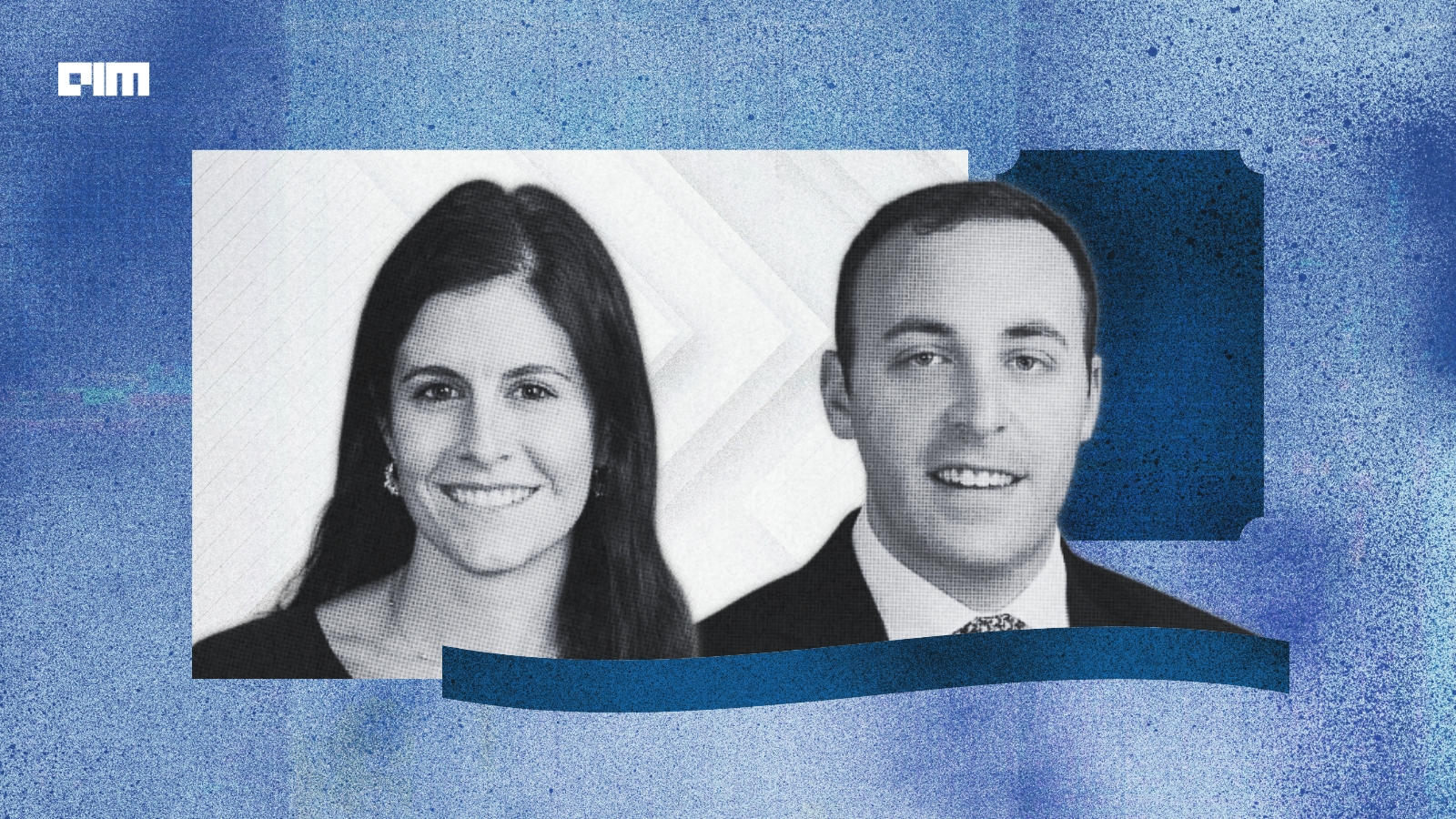
The reorganization establishes Global Infrastructure Technology, led by Yasmine Coupal and Jason Tofsky, and Global Internet and Media, led by Brandon Watkins and Alekhya Uppalapati. Within the new infrastructure group, Kyle Jessen will run infrastructure technology M&A and retain oversight of semiconductors. It is the most significant reshaping of Goldman’s TMT franchise in years and follows a period in which AI-driven investment has overridden the boundaries that once separated telecom networks, hardware, cloud platforms, and large internet businesses.
Goldman’s shift did not happen in isolation. Over the past year, the firm’s research, public commentary, and internal restructuring signaled pressure to realign around the technology stack that underpins generative AI.
AI Has Erased the Old TMT Boundaries
Goldman’s own research illustrates why the old TMT structure was no longer useful. In 2025, its analysts projected that global data center power demand will rise 50% by 2027 and as much as 165% by 2030, driven by generative AI workloads. The firm’s AI and Data Centers briefing outlines a rapid expansion of infrastructure spending, from cloud platforms and power-intensive compute clusters to the fiber and network capacity that support them.
These demands cut across the traditional subsectors that investment banks use to organize coverage teams. Telecom networks carry AI traffic; semiconductor firms supply the chips; data center operators build the physical footprint; and cloud platforms orchestrate model training and deployment. For banks advising on capital raises, acquisitions, or strategic repositioning, those domains no longer function as independent categories.
External analyses show the same pattern. KPMG reported that AI innovation and infrastructure consolidation remained central motivators in TMT deals in 2025.. Deloitte’s TMT predictions for 2026 describe the AI wave shifting from experimentation to the construction of scalable infrastructure, including cloud backbones, data centers, and networks. Its semiconductor outlook shows the chip industry’s growth driven almost entirely by data center and AI demand.
They have become the center of gravity in technology markets, and Goldman’s structure now reflects that.
Signals Before the Announcement
Several indicators pointed toward the restructuring. In early December, Goldman’s CFO said the firm expects M&A momentum to continue into 2026, adding pressure to match coverage resources with where deal activity is concentrated. In separate reporting, executives across the banking sector said AI adoption was boosting productivity and prompting internal realignments, including workforce shifts and automation of manual tasks.
Goldman itself has been integrating AI tools into internal workflows while implementing “OneGS 3.0,” a program that includes hiring slowdowns and team adjustments tied to automation. Those changes set the structural backdrop for a broader reorganization.
Market data reinforced the momentum. Blackstone’s COO said at Goldman’s Financial Services Conference that data centers remain an attractive investment even as capital inflows surge to meet AI demand. Analysts have warned that AI could require a sixfold increase in global data center capacity by 2035, raising financing, credit, and tenant-risk implications. These trends cut across every sector Goldman just consolidated.
Even before the restructuring, Goldman’s coverage leaders were taking on broader mandates spanning infrastructure, internet platforms, and semiconductors. Their new roles codify changes already underway.
Merging telecom and CoreTech into Global Infrastructure Technology aligns Goldman’s bankers with the sectors commanding the largest capital requirements: hyperscale data centers, cloud systems, chip manufacturing, and the networks that support AI. Jessen’s role in semiconductor advisory points to the importance of the chip supply chain in AI infrastructure.
The creation of Global Internet and Media separates platforms and content networks into a distinct vertical at a time when advertising, commerce, and distribution engines are consolidating around a few global operators.
Competitors including JPMorgan, Morgan Stanley, and Bank of America have taken steps to reorganize around AI-driven verticals, but Goldman’s move formalizes the shift. The bank is aligning its advisory model to where technology investment is actually happening.
Key Takeaways
- Goldman Sachs restructured its TMT division into two new groups to capitalize on the AI infrastructure boom.
- The reorganization creates Global Infrastructure Technology and Global Internet and Media, reflecting AI's impact on capital flows.
- This move acknowledges AI's role in blurring traditional lines between telecom, hardware, cloud, and internet sectors.
- Goldman's internal restructuring and research have signaled a significant realignment around AI's underlying technology stack.