Will AI Change E-Commerce Checkout Processes Forever?
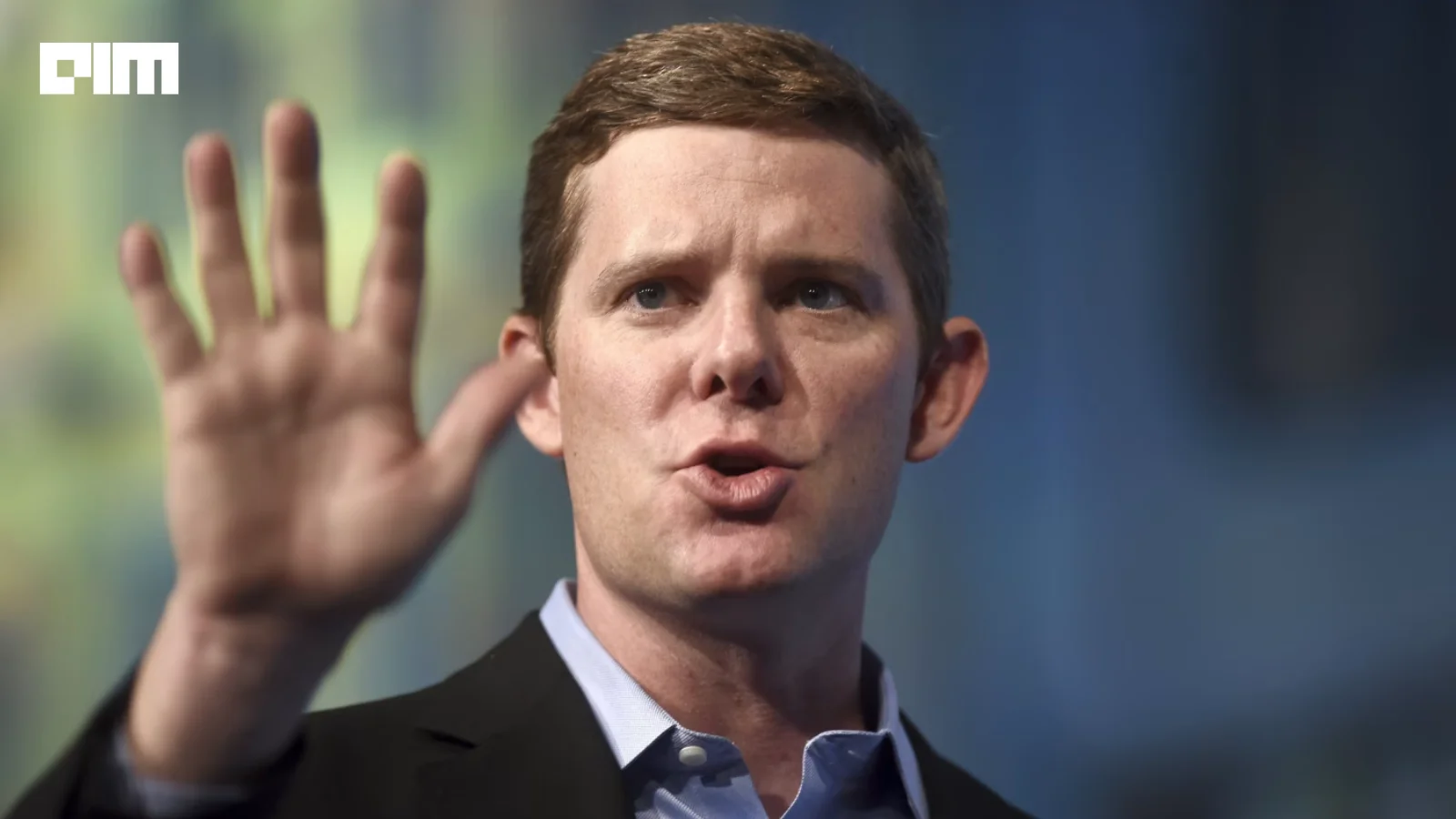
"This is going to be the year we see an enormous amount of material adoption"
Online shopping hasn't changed in the last 25 years. It's the same cycle where you browse products, add them to your cart, and proceed to checkout. The process is inefficient and mainly manual. But Visa has come out with AI agents that can handle it all.
On December 18, the payments giant announced it has successfully completed hundreds of real-world transactions initiated by AI agents. These were live transactions on production systems, executed by more than 100 partners integrating with Visa's Intelligent Commerce platform.
The announcement shows that AI shopping assistants have finally become operational. And Visa believes millions of consumers will be using AI to complete purchases entirely on their own by the end of 2026.
E-commerce solved one problem and created another. Before online shopping, you went to a store, found what you needed, and bought it. The friction was physical and e-commerce eliminated that. You can now browse unlimited products from home in seconds. But it introduced a new friction, the checkout process itself.
That process hasn't meaningfully changed in 25 years. You still manually enter payment information and wait for page loads. For routine purchases, groceries, household items, and subscriptions, this friction feels absurd. You know what you want and the merchant knows what you're buying. Yet the system still requires explicit human authorization at every step.
AI agents solve this by automating the entire journey from discovery to payment. Instead of you browsing and clicking, an AI reads your preferences, scans available products, compares prices, and executes the purchase within parameters you've set. You get the item faster and the merchant gets a faster transaction. The system moves from friction-based to intent-based commerce.
"This is going to be the year we see an enormous amount of material adoption," said Rubail Birwadker, Visa's head of growth products and partnerships. "Consumers are really starting to get comfortable in a bunch of different agentic environments."
From Pilot to Production
Visa launched Intelligent Commerce (VIC) in April 2025 as an initiative to open its payment rails to developers building AI agents. The company positioned it as a direct response to how AI was changing consumer behavior. Nearly 47% of U.S. shoppers already use AI for at least one shopping task, price comparisons, or product recommendations. The next step was letting that AI complete the transaction.
What started as an experiment quickly moved to production. More than 100 partners are now working with Visa globally. Over 30 are built within the VIC sandbox environment. More than 20 AI agents and agent enablers are directly integrating with the platform. And critically, hundreds of controlled transactions have already taken place on live systems.
Early pilots in the United States involved real companies like Skyfire, Nekuda, PayOS, and Ramp. Skyfire is enabling Consumer Reports' product recommendation agent to complete purchases of products like Bose headphones. Ramp is applying Visa Intelligent Commerce to its B2B payments automation platform. These are merchant-facing use cases with real financial stakes.
The transactions span both consumer and business purchases. A consumer might ask an AI agent to find and buy the best-rated wireless earbuds under $150 while a business might use an agent to process recurring vendor payments or high-volume procurement within predefined spending limits.
All of these transactions occurred without requiring changes to the underlying payment infrastructure. Visa's existing fraud detection, transaction monitoring, and authorization systems handled the agent-initiated purchases without modification.
The obvious concern with letting AI agents spend your money is simple. What if something goes wrong? What if the agent buys the wrong thing? What if it gets hacked?
Visa addressed this through the Trusted Agent Protocol, introduced in October in partnership with Worldpay and Cloudflare. The protocol creates a framework for merchants to distinguish between legitimate AI agents acting on behalf of authorized consumers and malicious bots attempting unauthorized transactions.
The distinction matters because merchants are already drowning in automated traffic. Shopping bots scrape prices and scalper bots buy limited inventory. And ultimately, credential-stuffing bots test stolen payment cards. Opening checkout to AI agents could amplify these problems if the system can't differentiate legitimate from illegitimate automation.
The Trusted Agent Protocol works by creating authenticated communication between merchants and AI agents. When an authorized agent (one you've explicitly instructed to shop on your behalf) attempts a transaction, the merchant recognizes it as legitimate. Akamai has integrated the protocol with its bot detection and behavioral analysis tools, adding an extra layer of verification.
Beyond infrastructure, Visa has emphasized that consumer controls are greatly important. Agents operate within predefined boundaries like spending limits, approved merchants, and specific product categories.
The Ecosystem
The entire fintech and e-commerce industry is racing to enable agentic shopping. Mastercard tested Agent Pay in April. Amazon launched "Buy For Me." PayPal partnered with Perplexity AI. OpenAI is opening ChatGPT to apps that perform real-world transactions.
While competitors are still in pilots or testing phases, Visa has moved to hundreds of real transactions across more than 100 partners. The company is iterating in production.
The geographic expansion confirms this momentum. Visa plans to launch pilot programs in Asia Pacific and Europe in early 2026. Latin America and the Caribbean will follow. The Middle East is working on AI-managed recurring payments like subscription services and utility bills.
If millions of consumers use AI agents to complete purchases by end-of-2026, several things shift fundamentally. First, discovery and checkout become separate. Today, they're linked and you browse and buy from the same interface. In an agent-driven world, discovery happens through recommendation systems, reviews, and AI assistants. Checkout becomes a separate, automated function. This could dramatically change how merchants market and how consumers discover products.
Second, the friction that merchants used to manage (checkout abandonment rates, cart recovery, payment failures) migrates elsewhere. Instead of optimizing checkout, merchants optimize for agent integration. They make their product catalogs accessible to AI agents, offer APIs that agents can query, and build agent-friendly interfaces.
Third, impulse buying might decrease (or change form). When a human clicks "buy now," it's often a moment of emotional decision. When an AI executes on your behalf within preset parameters, it's more deliberate. This could reduce unnecessary purchases, or shift them to subscriptions and recurring orders, where the AI has permission to keep buying indefinitely.
Visa's prediction that millions will be using agentic checkout by end-of-2026 is aggressive but not unreasonable. The infrastructure already exists and partnerships are live. The gap between "hundreds of real transactions" and "millions of regular users" is primarily adoption and comfort.
The real wildcard is consumer behavior. People are used to manual checkout and letting software complete purchases requires trust in the agent, the merchant, and the payment system. Early adopters in tech-forward segments (subscription services, routine purchases, business procurement) will likely move first.
Mass-market adoption depends on whether mainstream consumers develop that comfort. People once feared online shopping. Then one-click purchasing, auto-replenishment, and so on. Each friction reduction met initial resistance and each became normal within years.
"We are seeing impressive progress in how AI will transform commerce, with many real-world transactions completed by Visa's deep network of partners. This holiday season marks the end of an era. In 2026, AI agents won't just assist your shopping, they will complete your purchases, powered by Visa's global scale, standards leadership, and unparalleled commitment to secure agentic commerce," said Rubail.
Key Takeaways
- Visa completes hundreds of real-world transactions using AI agents, signaling a shift in e-commerce.
- AI shopping assistants automate the entire purchasing process, reducing friction for consumers.
- Visa anticipates millions will utilize AI for purchases by the end of 2026.
- Traditional online shopping methods remain inefficient, relying on manual input for transactions.
- The integration of AI aims to enhance speed and efficiency in e-commerce transactions.