How Will Accenture and Ryght AI Transform Clinical Trials?
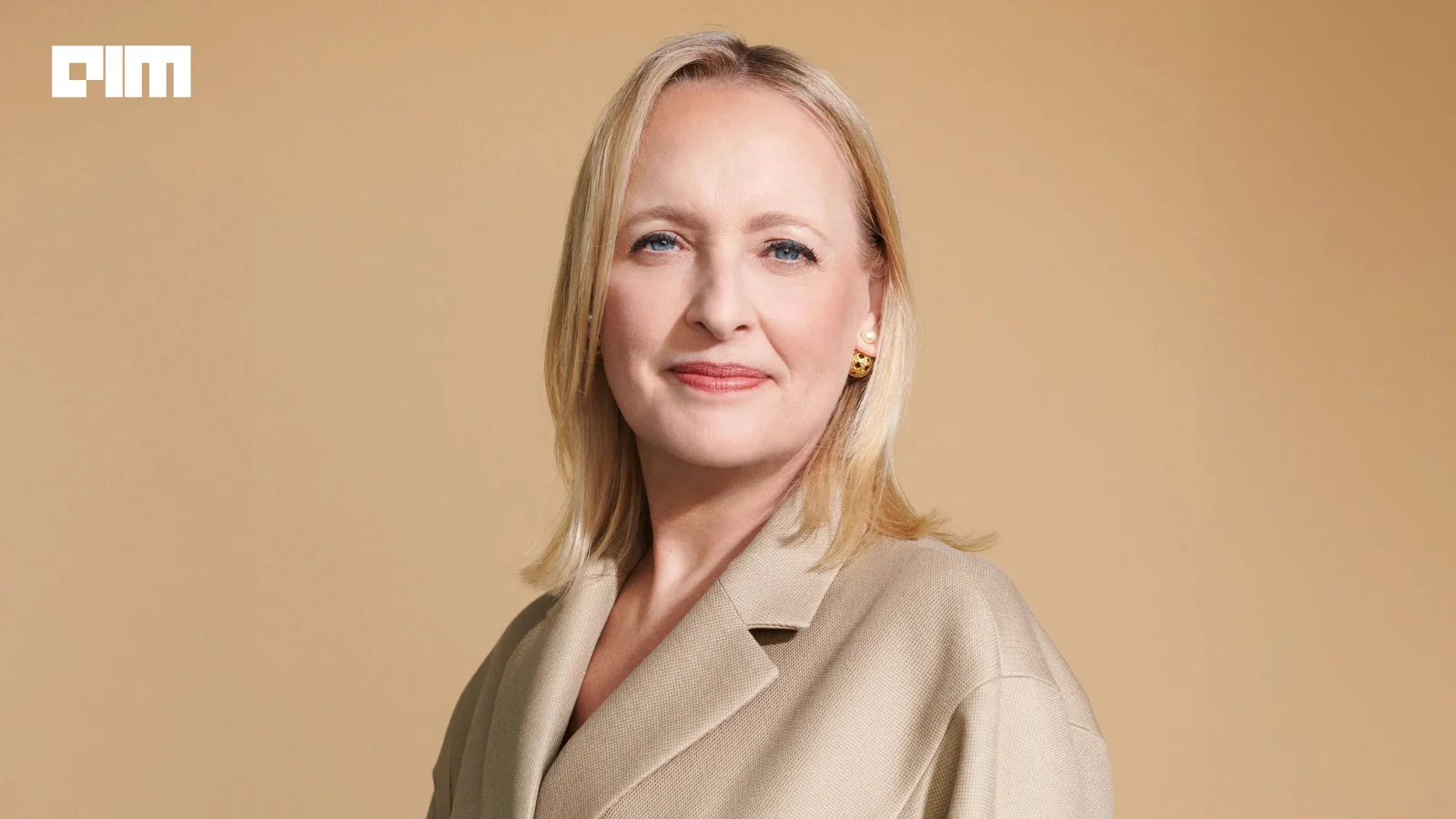
"Together, we can help life science companies reimagine how clinical trials are planned, launched, and managed, accelerating the journey from discovery to treatment"
Clinical trials have been stuck for sometime. Researchers know how to design good studies but get stuck administratively. A drug candidate that shows promise in the lab still needs to find the right research sites, recruit patients, and manage complex protocols across global networks. This operational halt costs billions and delays treatments by years.
On December 11, Accenture announced an investment in Ryght AI, a platform that uses agentic AI to automate the three most painful steps in drug development like trial feasibility, site selection, and patient recruitment. The company built what it calls AI Site Twins, digital replicas of every clinical research site on the planet that capture historical performance, patient demographics, and operational data in real-time.
The firm had invested in 1910 Genetics (drug discovery), Turbine (cell simulation), and Earli (early cancer detection) before as well. But the Ryght AI investment signals something larger. Enterprise consulting firms are moving beyond advising on AI transformation. They're now investing directly in domain-specific AI platforms and bringing them to their client base at scale.
Drug development costs have gone up exponentially. According to Tufts Center for the Study of Drug Development, a new medication takes 10-15 years and $2.6 billion to bring to market. Clinical trials consume 50-60% of that cost and time. Within clinical trials, site selection and patient recruitment are the most painful steps, relying on spreadsheets, manual outreach, and educated guesses about which hospitals and clinics can actually enroll patients.
In traditional site selection, sponsors and contract research organizations (CROs) manually compile data from disparate sources like historical trial databases, patient registries, hospital records, and then make calls to potential sites. The process is slow and incomplete. And it's expensive because mistakes compound. If you pick the wrong site, enrollment lags. If enrollment lags, the trial timeline slips. And if the timeline slips, time-to-market delays worsen.
Petra Jantzer, Accenture's global lead for Life Sciences said, "Manual site selection can add weeks or months to each study, creating significant bottlenecks that slow down the entire development process and stall the introduction of many promising therapies."
A New Approach
Ryght's main product is the AI Site Twin, a dynamic digital replica of every clinical research site in the world. It is the same as a digital twin that's used in manufacturing, but for hospitals and research clinics. The twin gets fed data about a site's patient population, historical trial performance, and regulatory standing. Then it uses AI to simulate how that site would perform against a new protocol.
The platform works in three stages. First, it analyzes your protocol, the study design, patient inclusion/exclusion criteria, required patient populations. Second, it searches its database of AI Site Twins to identify which sites globally match your needs. Third, it auto-populates feasibility questionnaires with data-driven insights, comparing responses in real-time.
What used to take weeks of manual searching now takes hours. Sponsors can see which sites are likely to succeed before sending formal invitations. CROs can forecast enrollment pipelines with greater accuracy. Sites get better-qualified inquiries, reducing administrative burden.
Accenture has now become a direct stakeholder and for life sciences companies, this matters because it means Ryght AI gets distribution and support at enterprise scale. Ryght alone is a promising startup. Ryght backed by Accenture's 750,000-person global consulting organization is even greater.
AI's highest-value applications are in domains with clear, measurable friction. Clinical trial delays aren't ambiguous. They cost real money and delay treatments. An AI system that can even modestly improve site selection has massive ROI.
The Landscape
Ryght isn't the only player in clinical trial optimization. Parexel, a leading CRO, has invested in AI-driven site matching. Veeva Systems has built trial analytics into its platform. But Ryght is the first to offer AI Site Twins that specific framing of creating digital replicas at global scale. It's distinctive enough to be defensible.
The real problem isn't other startups. Pharma companies have 20-year-old site selection processes built into their institutional practices. Getting them to trust an AI platform to recommend sites requires relationship capital and proof. Accenture has both. A platform that can reduce trial timelines by weeks or months is definitely worth paying for.
Ryght AI is available on Microsoft Azure Marketplace, which simplifies adoption for enterprises already committed to cloud infrastructure. The company also has backing from leading health systems and universities, including the University of Adelaide.
"Together, we can help life science companies reimagine how clinical trials are planned, launched, and managed, accelerating the journey from discovery to treatment", said Simon Arkell, Ryght AI's CEO.
Key Takeaways
- Accenture invests in Ryght AI to transform clinical trial processes and reduce costs.
- Ryght AI's platform automates drug development challenges like site selection and patient recruitment.
- AI Site Twins provide real-time data on clinical research sites for better decision-making.
- This investment reflects a shift in consulting firms towards direct involvement in AI-driven solutions.