Caris Life Sciences Launches AI-Powered Blood Test for Early Multi-Cancer Detection
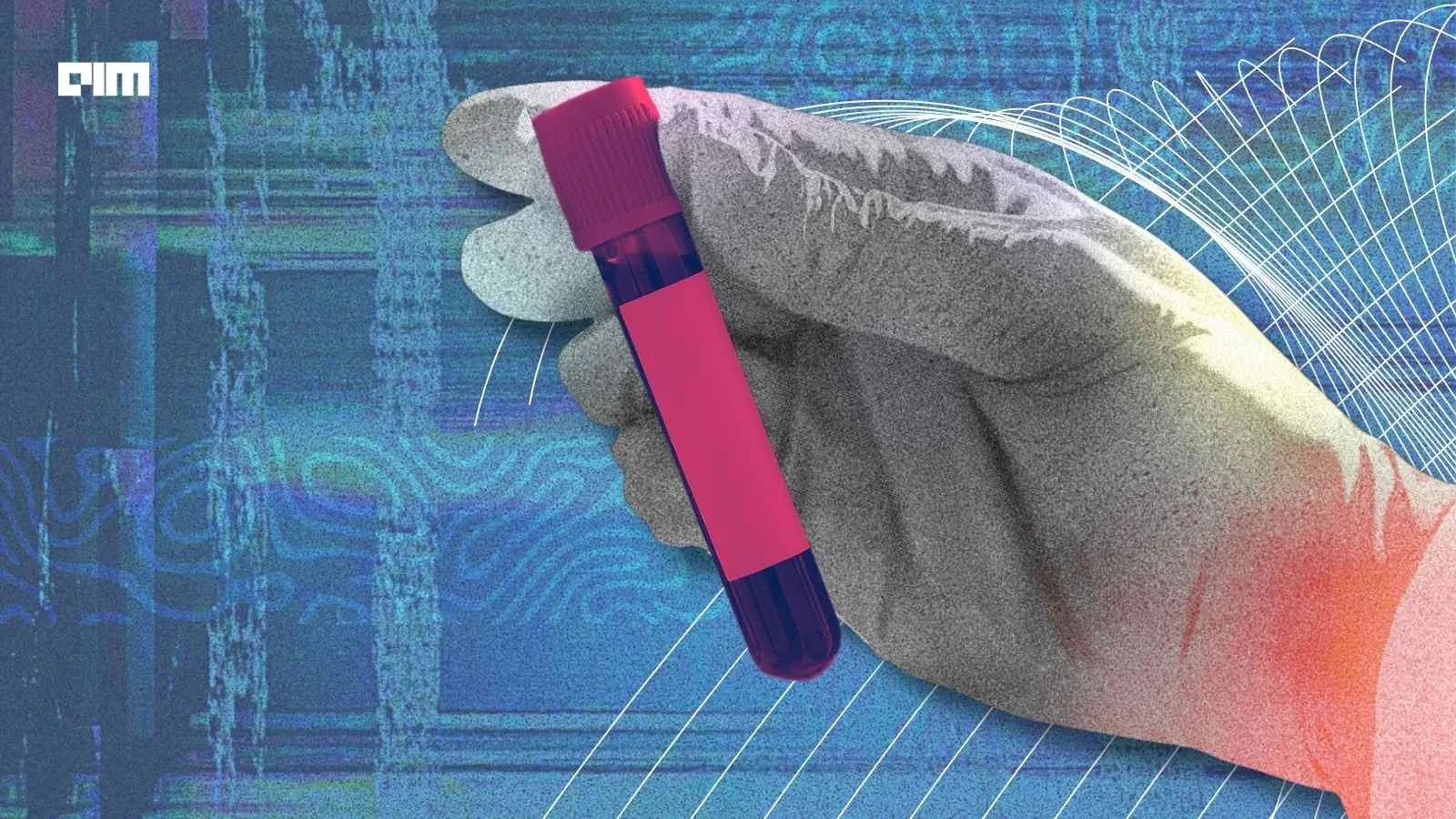
Caris Life Sciences has launched Caris Detect, an AI-powered blood test that combines genomic sequencing and molecular data to identify cancer signals earlier.
Caris Life Sciences has commercially launched Caris Detect, a multi-cancer early detection (MCED) blood test that uses artificial intelligence (AI) and genomic sequencing to identify biological signals associated with cancer at earlier stages.
According to the company, the blood test combines ultra-deep whole genome sequencing, whole transcriptome sequencing, and AI to analyze deoxyribonucleic acid (DNA), ribonucleic acid (RNA), and other molecular patterns from a blood sample. Caris said the approach provides broader biological coverage than tests that rely on more limited genomic data.
AI and genomic sequencing underpin the new test
Caris said Caris Detect is powered by its molecular profiling database of more than one million cases and over 50 billion molecular markers. The company said its AI models use this dataset to identify subtle biological signals associated with multiple cancer types, particularly during earlier stages of disease.
"Early detection remains one of the most urgent and consequential challenges in oncology," David Dean Halbert, Founder, Chairman and CEO of Caris Life Sciences, said.
"Caris Detect represents a major step forward in our mission to transform cancer care through the most advanced molecular science available. By combining unmatched biological depth with sophisticated AI, we are giving physicians and patients a powerful new tool to help identify cancer earlier and support more informed clinical decisions."
The company said the launch builds on findings from its ACHIEVE 1 study, which evaluated the test's ability to detect cancer signals across multiple cancer types. Caris plans to continue clinical research to expand the evidence supporting the assay and further develop its capabilities.
The launch comes as AI plays a larger role in molecular diagnostics and precision medicine. Companies are increasingly combining large-scale genomic datasets with machine learning to improve disease detection and clinical decision support, reflecting broader developments across healthcare AI.
Multi-cancer blood tests remain a growing area of precision medicine
Multi-cancer early detection tests have become an active area of research as healthcare companies seek to identify cancers before symptoms appear using blood-based biomarkers. Unlike conventional screening programs that target individual cancers, MCED tests aim to detect signals from multiple cancer types through a single blood draw.
Several companies are developing competing approaches using circulating tumor DNA, methylation analysis, or other molecular signatures. Caris differentiates its platform by combining whole genome sequencing, whole transcriptome sequencing, and AI models trained on its proprietary molecular database.
The commercial launch also reflects a broader trend of AI expanding beyond drug discovery into clinical diagnostics, where machine learning is increasingly being used to interpret complex biological data and support physician decision-making.
While Caris has presented performance data from the ACHIEVE 1 study, the company said it will continue conducting additional research to strengthen the clinical evidence supporting Caris Detect and expand the test's capabilities over time.
The launch marks another step in the growing use of AI to support earlier cancer detection, an area where researchers hope improved identification of cancer signals could enable earlier intervention and improve patient outcomes.
Key Takeaways
- Caris Life Sciences launches Caris Detect, an AI-powered blood test for early multi-cancer detection.
- Utilizes genomic sequencing and molecular data to identify cancer signals at earlier stages.
- Combines over one million cases and 50 billion molecular markers for broader biological coverage.
- Aims to transform cancer care and improve clinical decisions through advanced molecular science.
- Test findings supported by the ACHIEVE 1 study, showcasing its effectiveness across multiple cancer types.