Moffitt Cancer Center Uses Multi-Agent AI to Extract Social Risk Data From Clinical Notes
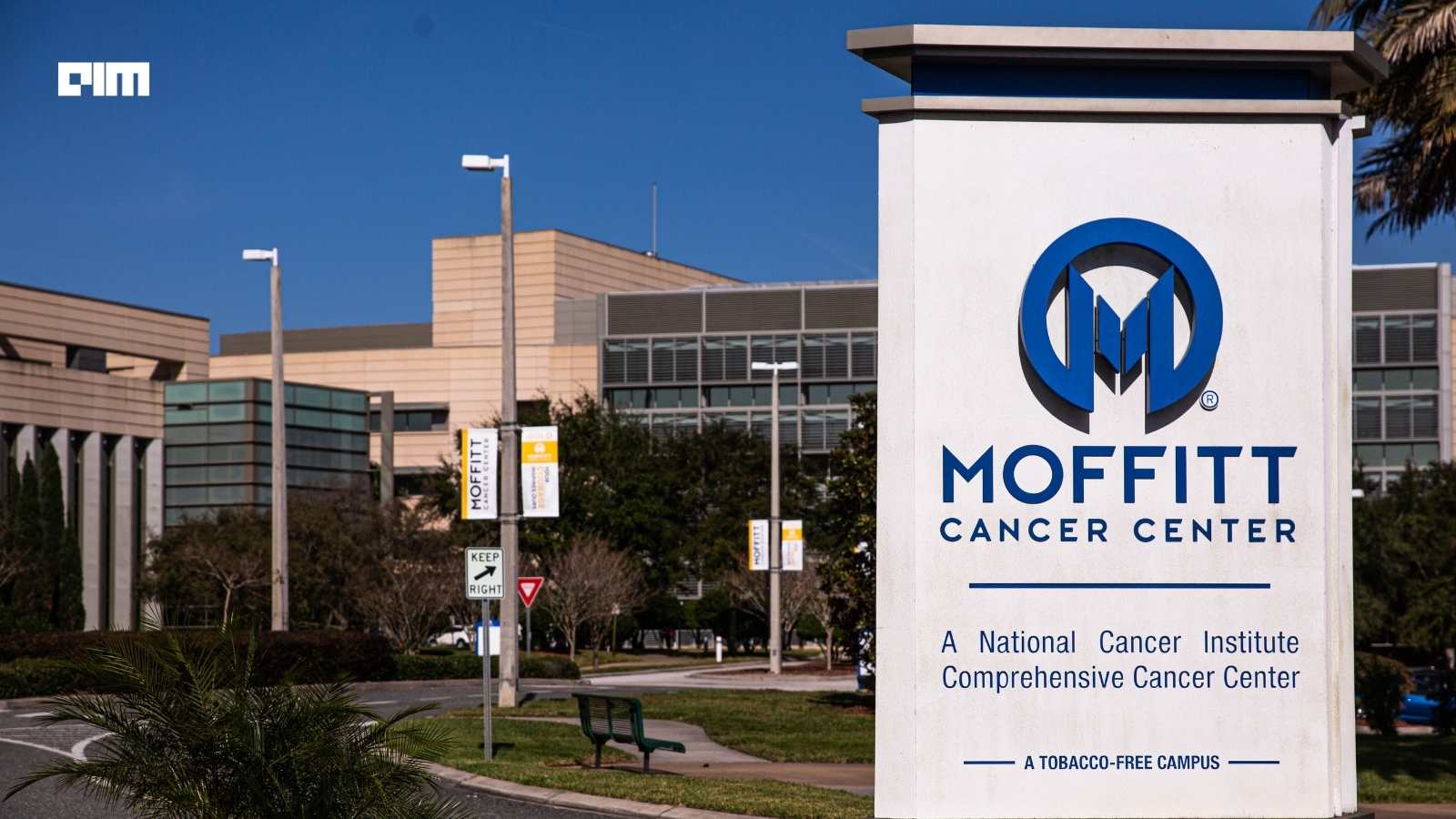
At AACR 2026, researchers report a system that identifies social determinants of health from unstructured records with more than 98% accuracy.
At the AACR Annual Meeting 2026, researchers from Moffitt Cancer Center presented a multi-agent artificial intelligence system designed to extract social determinants of health (SDOH) from unstructured clinical records. The system, developed within Moffitt’s machine learning division, uses coordinated large language model agents to identify non-clinical factors that influence cancer outcomes.
Ghulam Rasool, Associate Member in the Department of Machine Learning, presented the work at the conference. He said patient survival is not determined by tumor biology alone but also by factors such as financial hardship, lack of transportation, and unstable housing. These signals are typically embedded in free-text clinical documentation and are not captured in structured fields within electronic health records.
Rasool said the team initially tested a single large language model but found limitations in consistency and traceability. The system was then redesigned as a multi-agent architecture consisting of six AI agents that collaborate to answer queries. Each agent contributes to interpreting the question, retrieving relevant evidence from patient notes, and validating the output. The system also provides provenance, identifying the exact location in the clinical record where the information was found.
The model was validated on multiple datasets, including a pancreatic cancer cohort. Rasool said the system achieved more than 98% accuracy in extracting SDOH-related information when it was present in the documentation. He said this means the system can reliably retrieve instances where patients experienced issues related to housing, childcare, or financial constraints, as long as those details were recorded in clinical notes.
Multi-Agent Design Targets Unstructured Data Problem
 >
>
Clinical documentation remains one of the largest sources of untapped data in healthcare. Social determinants of health are often inconsistently recorded across physician notes, intake forms, and patient narratives. This makes them difficult to use in research and care delivery systems that rely on structured data.
The system presented by Moffitt addresses this by converting unstructured text into structured, queryable variables. The use of multiple agents allows the model to cross-check outputs and improve reliability compared with single-model approaches. The inclusion of provenance is intended to support auditability, which is a requirement for clinical use.
Moffitt has built internal infrastructure to support this type of work, including a dedicated machine learning department focused on translating AI models into clinical applications. The approach aligns with broader efforts at the center to integrate artificial intelligence into both research and patient care workflows.
Applications in Research, Risk Modeling, and Policy
The ability to extract SDOH data at scale has implications for cancer research and healthcare operations. Researchers can use the data to study how non-clinical factors affect treatment outcomes, survival rates, and adherence to care plans. This has been difficult to measure historically due to the lack of structured data.
The system can also support risk modeling by identifying patients who may face barriers to care. Health systems can use this information to design interventions, including transportation support, financial assistance, or care coordination programs.
Rasool said the work also has implications for policy decisions, where aggregated SDOH data can inform resource allocation and program design. However, the system is limited to extracting information that already exists in clinical records. If social determinants are not documented, the model cannot infer them.
The presentation reflects a broader shift in oncology toward incorporating non-clinical variables into patient care models. By making previously inaccessible data usable, Moffitt’s system expands the scope of what can be measured in cancer outcomes and how care can be adjusted in response.
Key Takeaways
- Moffitt Cancer Center developed a multi-agent AI system to extract social determinants of health from clinical notes.
- The system achieved over 98% accuracy in identifying non-clinical factors affecting cancer outcomes.
- Utilize coordinated AI agents to enhance consistency and traceability in data extraction from unstructured records.
- Address critical social issues like housing and financial hardship that impact patient survival rates.
- Validate the AI model on diverse datasets, including specific cancer cohorts, to ensure reliability.