Twist Bioscience Partners With AWS to Enable AI-Driven Drug Testing Loop
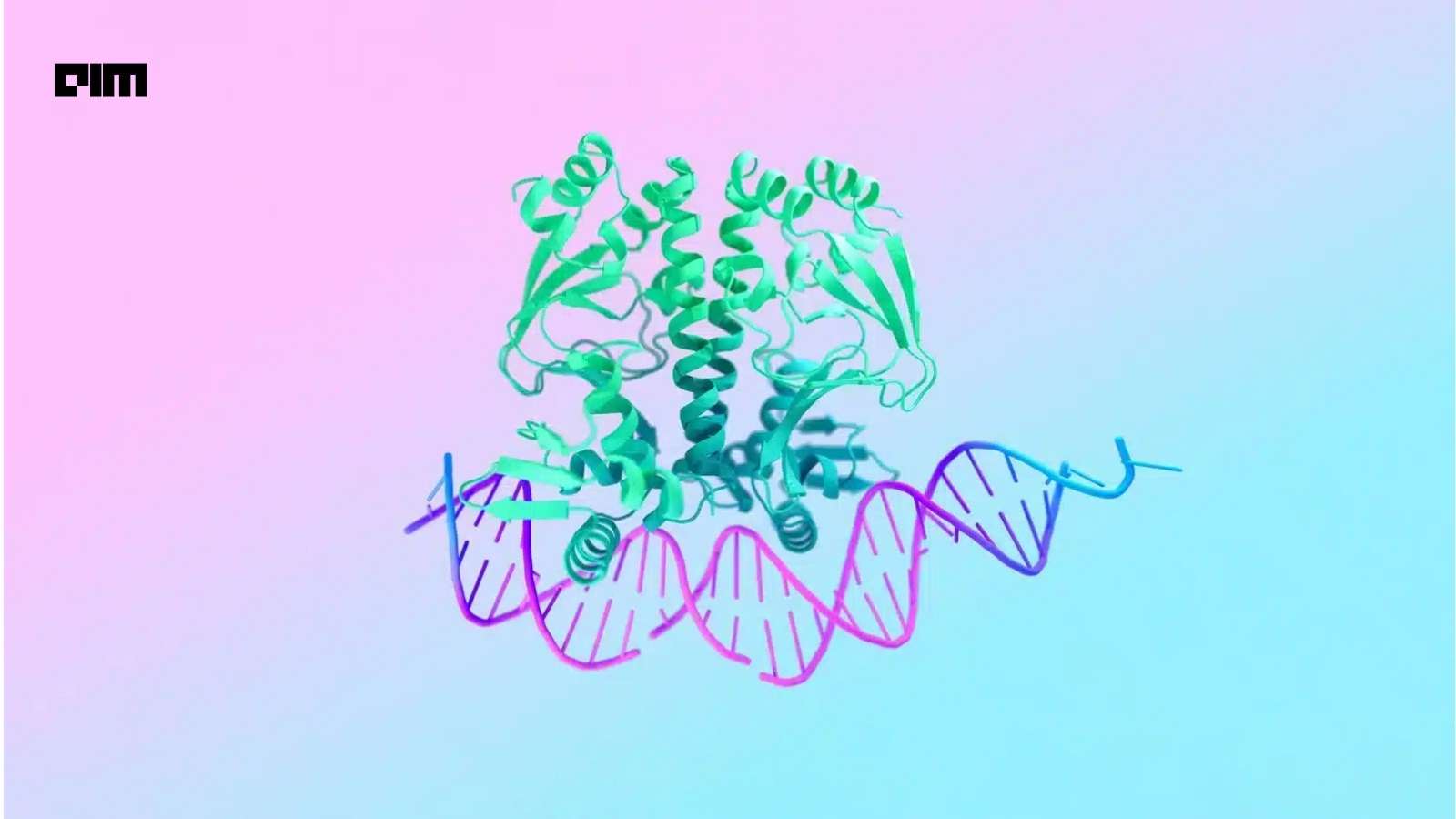
Twist Bioscience is supplying lab synthesis and testing for AWS’s Amazon Bio Discovery platform, linking AI-designed molecules to rapid experimental validation.
Twist Bioscience is working with Amazon Web Services (AWS) to support Amazon Bio Discovery, a new platform that connects AI-driven drug design directly with laboratory testing. The collaboration places Twist as a core lab execution partner, responsible for synthesizing and validating molecules generated through the system’s AI models.
The platform links computational design with wet lab validation in a continuous loop. Scientists generate drug candidates using biological foundation models, send selected molecules to lab partners such as Twist for synthesis and testing, and feed results back into the system to improve subsequent designs. AWS said this approach replaces fragmented workflows that typically require manual coordination across multiple tools and vendors.
Twist’s role centers on converting AI-generated sequences into physical molecules and producing experimental data that informs the next iteration. The integration allows direct handoff from model output to lab validation, reducing delays between design and testing.
This model builds on a broader shift toward specialized AI systems trained on biological data rather than general-purpose models.
MSK Collaboration Demonstrates Speed Gains
The system was tested in collaboration with Memorial Sloan Kettering Cancer Center on antibody development for pediatric cancer. Researchers generated nearly 300,000 antibody candidates and selected 100,000 for testing through Twist Bioscience.
The timeline from design to lab validation was reduced from up to a year using traditional methods to weeks, according to AWS.
Twist carried out synthesis and testing of the selected candidates, producing data that fed back into the platform to refine future predictions. The setup creates a closed loop between computational modeling and experimental validation, where each testing cycle improves subsequent outputs.
The integration of lab execution into AI workflows extends full lifecycle automation into drug discovery, where design, testing, and iteration occur within a single system.
Twist Positioned as Execution Layer in AI-Native Pipelines
Twist Bioscience operates as part of the platform’s integrated lab network, alongside partners such as Ginkgo Bioworks. Its role is tied to synthesis capacity and turnaround time, which AWS said are exposed within the system to streamline experiment planning.
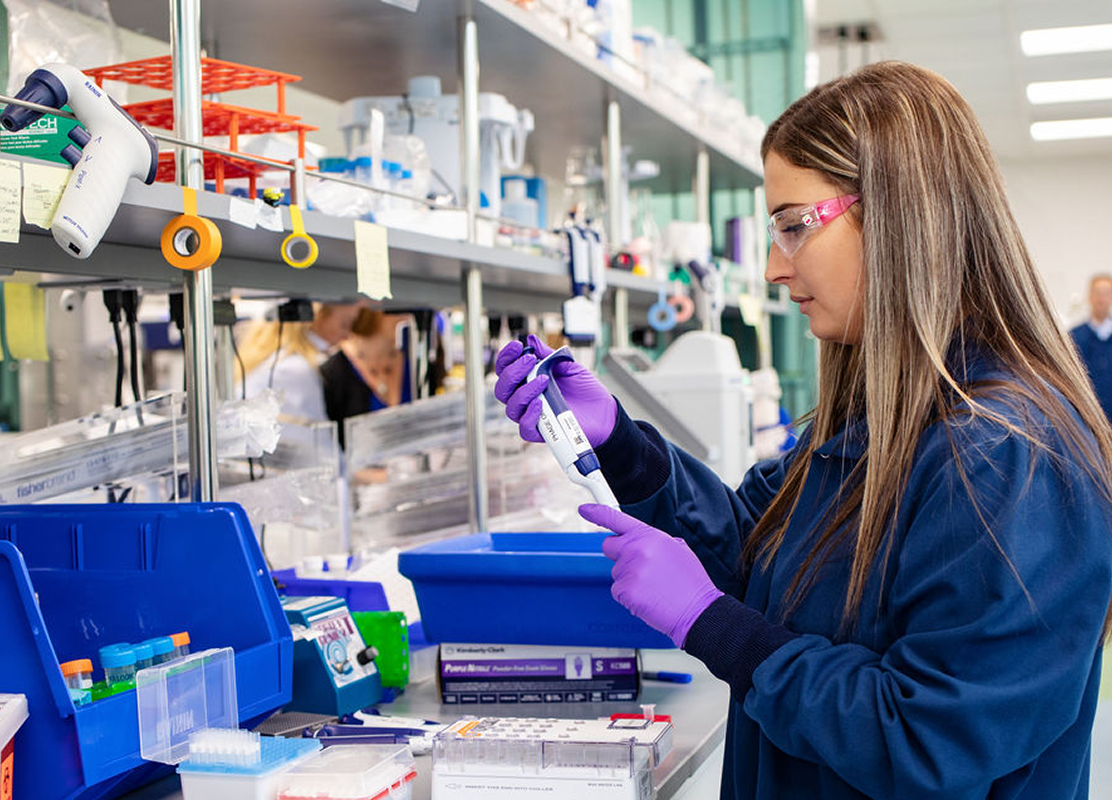 >
>By embedding lab services directly into the workflow, Twist moves from a standalone supplier model to an execution layer within an AI-driven pipeline. Scientists can select candidates, trigger synthesis, and receive results within the same application environment, reducing reliance on manual coordination.
The platform also uses an AI agent to guide experiment design, model selection, and candidate evaluation. This reflects a broader shift toward agent-driven systems that automate complex research workflows.
AWS said Amazon Bio Discovery is designed to make advanced AI tools accessible to scientists without machine learning expertise, while maintaining data isolation and ownership. The system is being adopted by organizations including Bayer, the Broad Institute, Fred Hutch Cancer Center, and Voyager Therapeutics.
Twist’s integration into the platform connects its DNA synthesis and testing capabilities directly with AI-driven design systems. The collaboration focuses on reducing iteration time between computational modeling and lab validation, where delays have historically slowed early-stage drug development.