Ochsner Health Joins $15 Million AI Network for Heart Valve Disease Detection
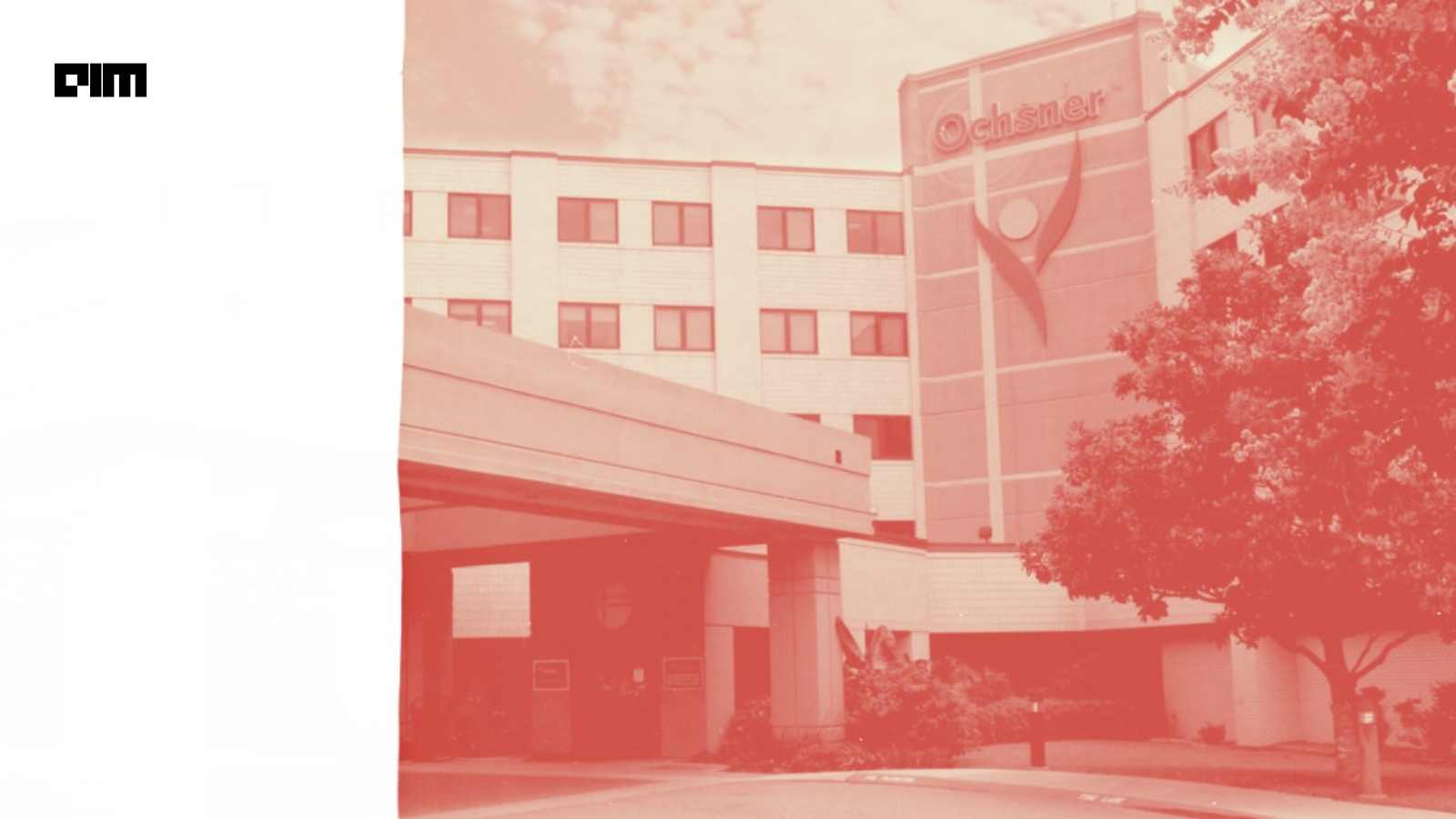
Ochsner Health joins a $15 million American Heart Association network to use AI in scaling echocardiography screening for early detection of rheumatic heart disease.
Ochsner Health has joined a $15 million research initiative led by the American Heart Association to advance early detection and treatment of valvular heart disease, which affects more than 80 million people worldwide.
The program, part of the American Heart Association’s Strategically Focused Research Network, brings together three principal investigators, including Craig Sable, MD, a pediatric cardiologist at Ochsner Children's. Sable is leading efforts to apply artificial intelligence to echocardiography screening for early detection of rheumatic heart disease (RHD), a condition that remains a leading cause of cardiovascular morbidity in low-resource settings.
 >
>Ochsner’s participation builds on its broader investment in data and AI capabilities across clinical operations, including predictive analytics and imaging support systems. The health system has deployed AI in areas such as risk prediction and diagnostic prioritization, positioning the current initiative as an extension of its existing infrastructure.
AI Screening and Early Detection Strategy
The initiative focuses on scaling echocardiography screening using AI models that can assist in detecting early signs of RHD. These systems analyze cardiac imaging data and can identify patterns associated with disease progression, supporting earlier intervention.
Research shows that AI models can detect rheumatic heart disease in echocardiograms with accuracy comparable to cardiologists. Additional studies indicate that AI-guided imaging tools enable non-specialist operators to capture diagnostic-quality scans, expanding access to screening in regions with limited specialist availability.
Early detection is critical, as rheumatic heart disease can be managed with low-cost treatments such as antibiotics when identified in initial stages. The disease continues to account for hundreds of thousands of deaths annually, primarily in low- and middle-income countries.
Global Deployment Through SHIELD Center
Sable’s work is being carried out in collaboration with Cincinnati Children's Hospital Medical Center through its Strategic Hub for Interventions to Promote Early Detection and Lifelong Protection from Advanced Rheumatic Heart Disease (SHIELD) Center.
The program includes deployments across Uganda, Brazil, and Timor-Leste, where the burden of rheumatic heart disease remains high. These regions often face shortages of trained cardiologists and limited access to diagnostic infrastructure, making large-scale screening difficult.
By combining AI-enabled echocardiography with community-based care models, the initiative aims to extend screening capabilities beyond traditional clinical settings. Portable ultrasound devices paired with AI guidance allow frontline healthcare workers to conduct screenings and identify patients who require further evaluation.
The network structure is designed to support both research and implementation, linking clinical insights with field deployment. As part of this effort, investigators are working to evaluate how AI-driven screening can be integrated into existing healthcare systems and scaled across diverse geographies.
The initiative represents a coordinated approach to addressing valvular heart disease through earlier detection and intervention, with AI serving as a tool to expand access to diagnostic care in underserved populations.