3M Doubles U.S. Optical Fiber Capacity to Support AI?
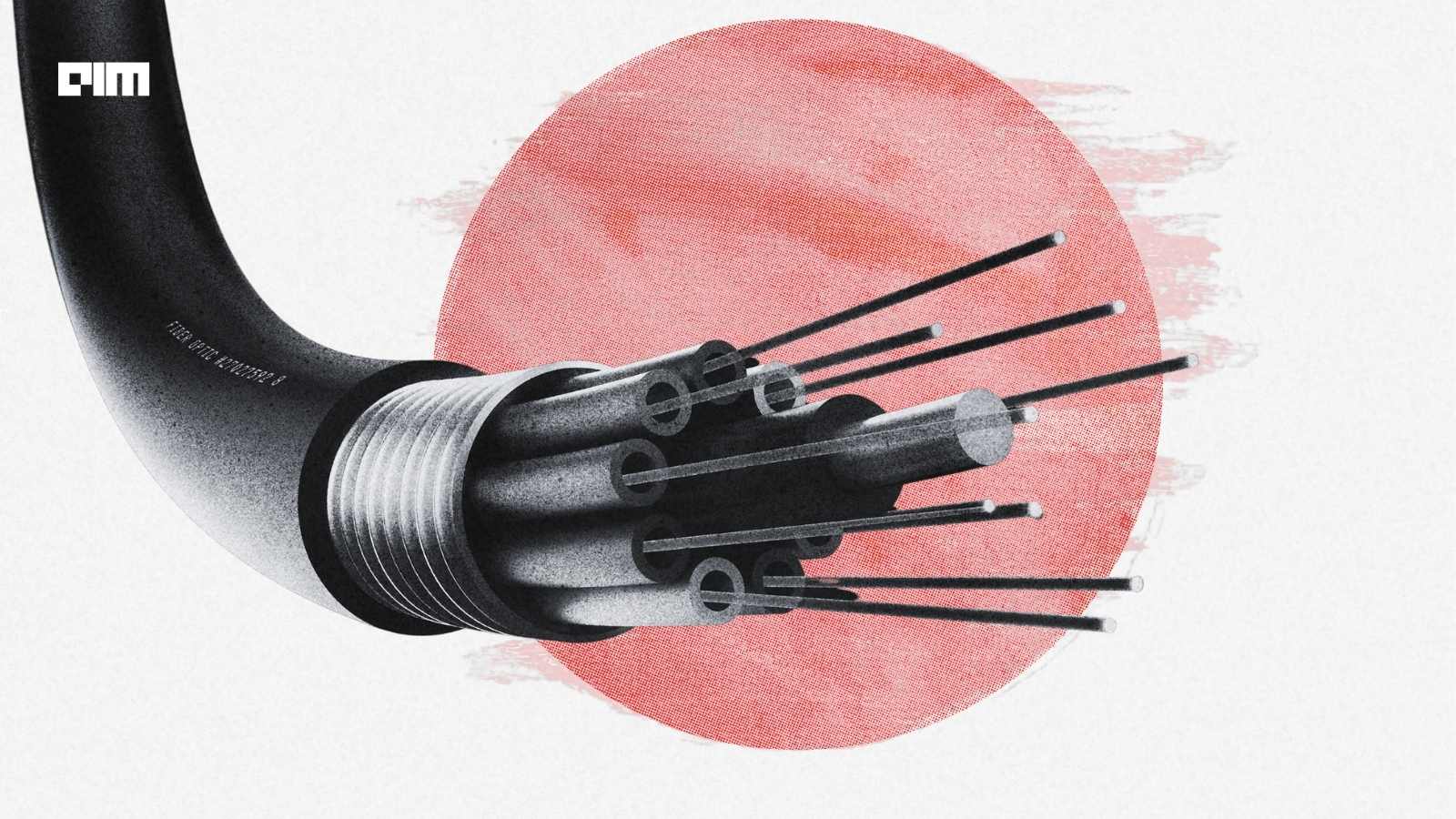
Expanded beam technology aims to reduce downtime and simplify installation at scale
3M said it will expand U.S. manufacturing capacity for its Expanded Beam Optical (EBO) interconnect technology as demand from AI data centers increases. The company said the investment will more than double production capacity and add new equipment and floor space.
The expansion is aimed at hyperscale data center operators, where large clusters of servers must exchange data at high speed. 3M said the technology has been in commercial production since late 2024 and is being deployed across data center environments.
“Data center customers need optical connectivity solutions that can deploy quickly and operate reliably at massive scale,” said Alex An, vice president of 3M’s data center business.
AI workloads are driving changes in how data centers are built. Larger clusters increase the number of physical connections required between systems, which raises the importance of installation time and ongoing reliability.
Traditional fiber optic connectors rely on physical contact between components. Small particles such as dust can interfere with the signal, which adds cleaning and inspection steps during deployment.
3M’s EBO technology uses a non-contact design that expands the light beam between connectors. This reduces sensitivity to contamination and allows connections to be handled with fewer preparation steps.
The design is intended to simplify installation in high-density environments where thousands of connections must be deployed. Reducing setup time can affect how quickly new data center capacity is brought online.
The technology also reduces the need for routine cleaning, which can lower maintenance requirements in large facilities. This is relevant in environments where access to connections is limited once systems are in place.
3M has worked with partners including Sumitomo Electric, Molex and US Conec to integrate the technology into standard data center connectivity systems. These efforts focus on adapting the design to existing architectures used by operators and equipment providers.
The company said the capacity expansion will support demand across the data center supply chain as AI infrastructure buildouts continue. Optical interconnects are a core component of these systems, linking compute resources that process and move large volumes of data.
Key Takeaways
- 3M doubles U.S. manufacturing capacity for Expanded Beam Optical technology to meet AI data center demand.
- Implement non-contact design to reduce contamination sensitivity, simplifying installation in high-density environments.
- Enhance installation speed and reliability, crucial for hyperscale data centers with large server clusters.
- Lower maintenance requirements by reducing the need for routine cleaning of optical connections.
- Support rapid deployment of new data center capacity, improving operational efficiency.