How is Kawasaki Innovating Physical AI Solutions?
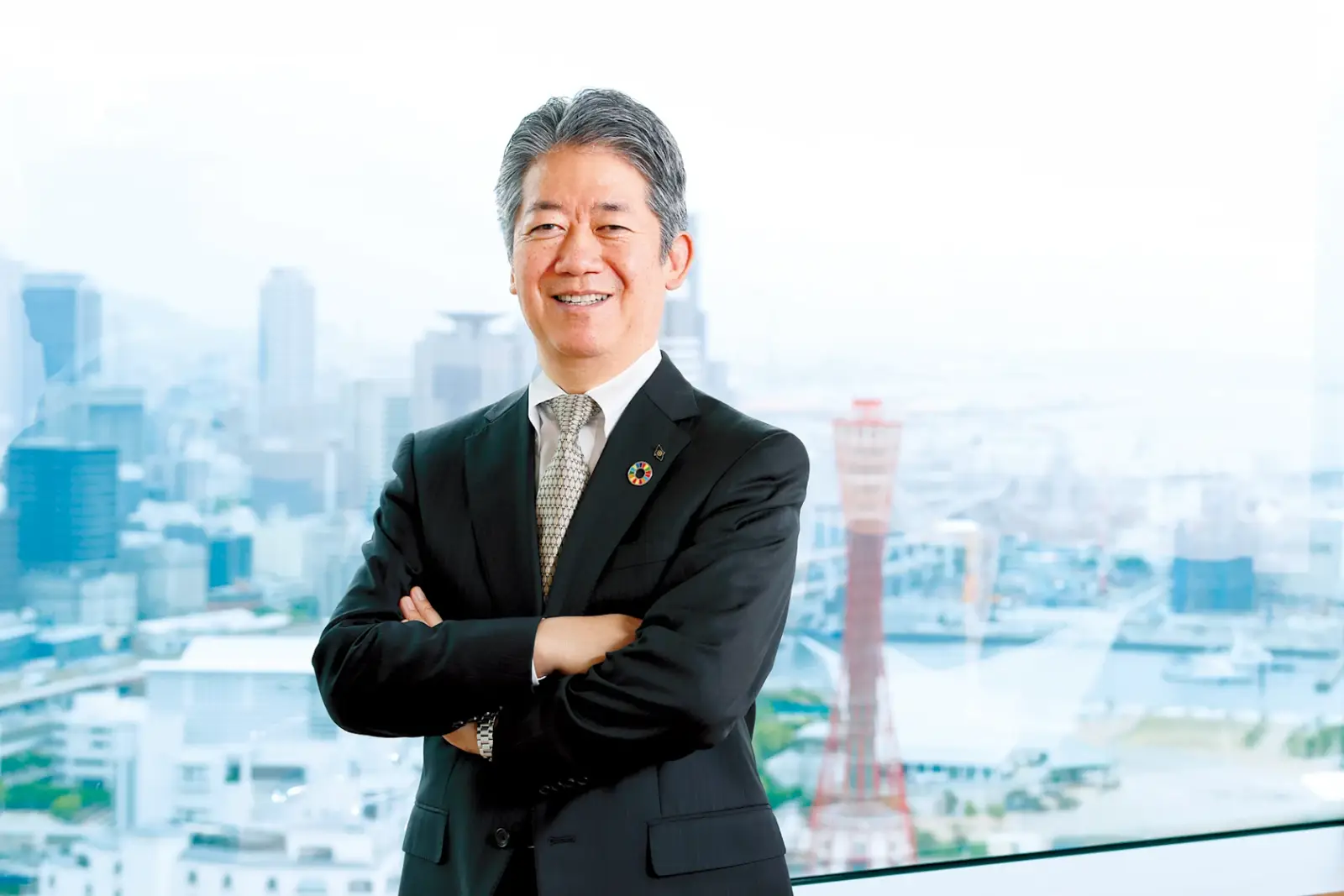
CEO Hashimoto says the hub will be a fast-paced environment designed to fuse business and technology.
Kawasaki Heavy Industries, Ltd. announced the establishment of a new hub in Silicon Valley, the Kawasaki Physical AI Center San Jose, in collaboration with NVIDIA, Analog Devices, Microsoft, and Fujitsu on May 22, 2026, in Tokyo. To mark the project's launch, Kawasaki emphasized its commitment to driving Japan-U.S. collaboration in AI and semiconductors, while accelerating the real-world deployment of Physical AI.
An opening ceremony was held on May 21, attended by representatives from the partner tech companies alongside officials from the Japanese government agencies that supported the hub's establishment.
In his opening statement, President and CEO Yasuhiko Hashimoto emphasized the company’s commitment to addressing global challenges like aging societies and labor shortages, noting that the hub will primarily focus on healthcare and elder care solutions.
 >
>He announced that the company will establish a “hospital one-stop solution,” covering the entire hospital experience from arrival to postcare through the integration of Physical AI and robotics. He also mentioned the simultaneous deployment of integrated solutions across diverse fields, by expanding the integration of Physical AI and robotics across a wide range of industries, including semiconductors, automotive, and new mobility.
“What we aim for is NOT to replace people, but to deliver Physical AI that supports human judgment and action—safely and efficiently. At this Center, partners from AI, semiconductors, software, academia, and those who understand real customer challenges come together.” Yasuhiko Hashimoto, President and CEO of Kawasaki Heavy Industries said. “We would like to make this place a starting point for global partnerships. Then, we build a new industry utilization of Physical AI beyond robotics.”
Hashimoto clarified that the hub is not just a research center as it will also assume the role of a fast-paced environment designed to fuse business and technology to commercialize Physical AI at the speed of the market.
A Global Alliance for Physical AI
Jensen Huang, CEO of NVIDIA, congratulated Kawasaki through a video message, emphasizing the arrival of Kawasaki’s expertise in robotics to Silicon Valley where NVIDIA is also based, allowing their teams to work together in building the foundation for a new generation of intelligent machines.
“With NVIDIA Omniverse and Isaac Lab, Kawasaki can connect simulation to reality, testing robots in virtual worlds before bringing them into the physical world. An NVIDIA Jetson would be the computer to run the AI in your robotic systems. The technologies created in this lab will reach across Kawasaki's entire product lineup. Medical robots, service robots, humanoid robots, and mobility systems,” said Huang.
According to the announcement, each tech giant brings a unique strength to the alliance. NVIDIA combines AI and robotics, starting with healthcare. Analog Devices adds advanced sensing and voice recognition to make robots more versatile. Microsoft provides the cloud and AI infrastructure to ensure operations run reliably at scale. Finally, Fujitsu connects business systems with robotics to create new value for the medical sector.
The center will collaborate with Kawasaki’s domestic hubs in Japan and its newly opened European Innovation Centre in France. By connecting these regional bases, Kawasaki aims to capture local market needs and fast-track the global rollout of its Physical AI solutions.
>
>
Key Takeaways
- Establish Kawasaki Physical AI Center in Silicon Valley to drive AI and semiconductor collaboration.
- Prioritize healthcare solutions addressing aging societies and labor shortages through Physical AI.
- Launch 'hospital one-stop solution' integrating Physical AI and robotics for enhanced patient experience.
- Engage diverse partners from AI, semiconductors, and academia to tackle real-world challenges effectively.
- Focus on augmenting human judgment with Physical AI, not replacing human roles in industries.