How is Levi's Using Cloud ERP for AI?
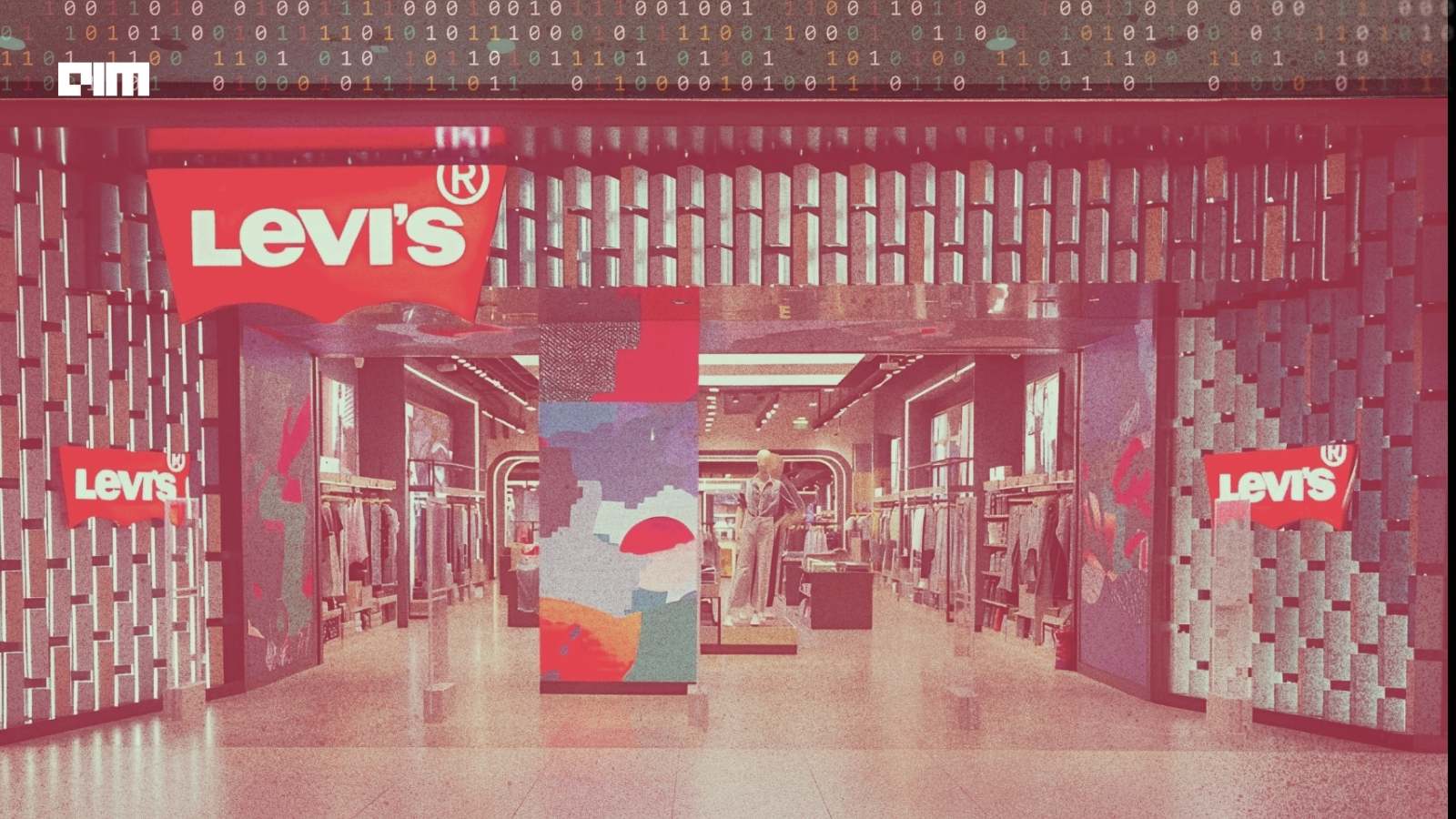
The apparel company said the unified platform gives it real-time visibility into inventory movement across North America and Asia for the first time.
Levi Strauss & Co. said on July 8, 2026, that its shift to a single, cloud-based enterprise resource planning (ERP) system is intended to serve as the data foundation for future artificial intelligence (AI) initiatives. The denim and apparel maker disclosed the update during its second quarter fiscal 2026 earnings call.
The company said it has migrated its Asia operations and Beyond Yoga brand onto the global platform, following an earlier transition in North America. According to Chief Financial and Growth Officer Harmit Singh, Europe and the remaining Latin American markets are expected to complete the migration by mid-2027.
Singh said the company previously operated nine separate ERP systems. He described the prior setup separately as disjointed and customized, and said the consolidation was designed to give employees faster and more consistent access to company data.
"This is about unlocking data," Singh said. "It's about ensuring that the users get access to data and get access to data on time and on a regular basis."
Singh described a specific use case tied to the new system. "If you think about our stores or you think about the distribution centers, on a screen on my iPad, I can see the movement of goods happening as they happen," he said. He said this visibility was not previously available across regions.
AI Tied to Data Unlock
Singh said the unified data structure helps the company move toward that goal.
"It really helps us leverage AI because of the data unlock," Singh said.
ERP transition is being managed jointly by business and technology teams, rather than run solely as a technology project. The overall project has proceeded without major issues according to Singh.
The company reported organic net revenue growth of 6% for the quarter and said direct-to-consumer (DTC) revenue accounted for 51% of total revenue. Adjusted EBIT margin expanded 70 basis points to 9% for the quarter.
Levi Strauss & Co. said the completed ERP platform is expected to be fully implemented by mid-2027, which executives said will better support AI initiatives.
>
>
Key Takeaways
- Levi's transitions to a single cloud ERP for real-time data visibility across North America and Asia.
- Unified platform aims to support future AI initiatives by unlocking and streamlining data access.
- Migration from nine disjointed ERP systems improves consistency and speed of data availability for employees.
- The transition is jointly managed by business and technology teams to ensure smooth implementation.
- Company reports 6% organic net revenue growth with increasing direct-to-consumer sales.