Cracker Barrel Deploys AI for Traffic Forecasting and Labor Planning
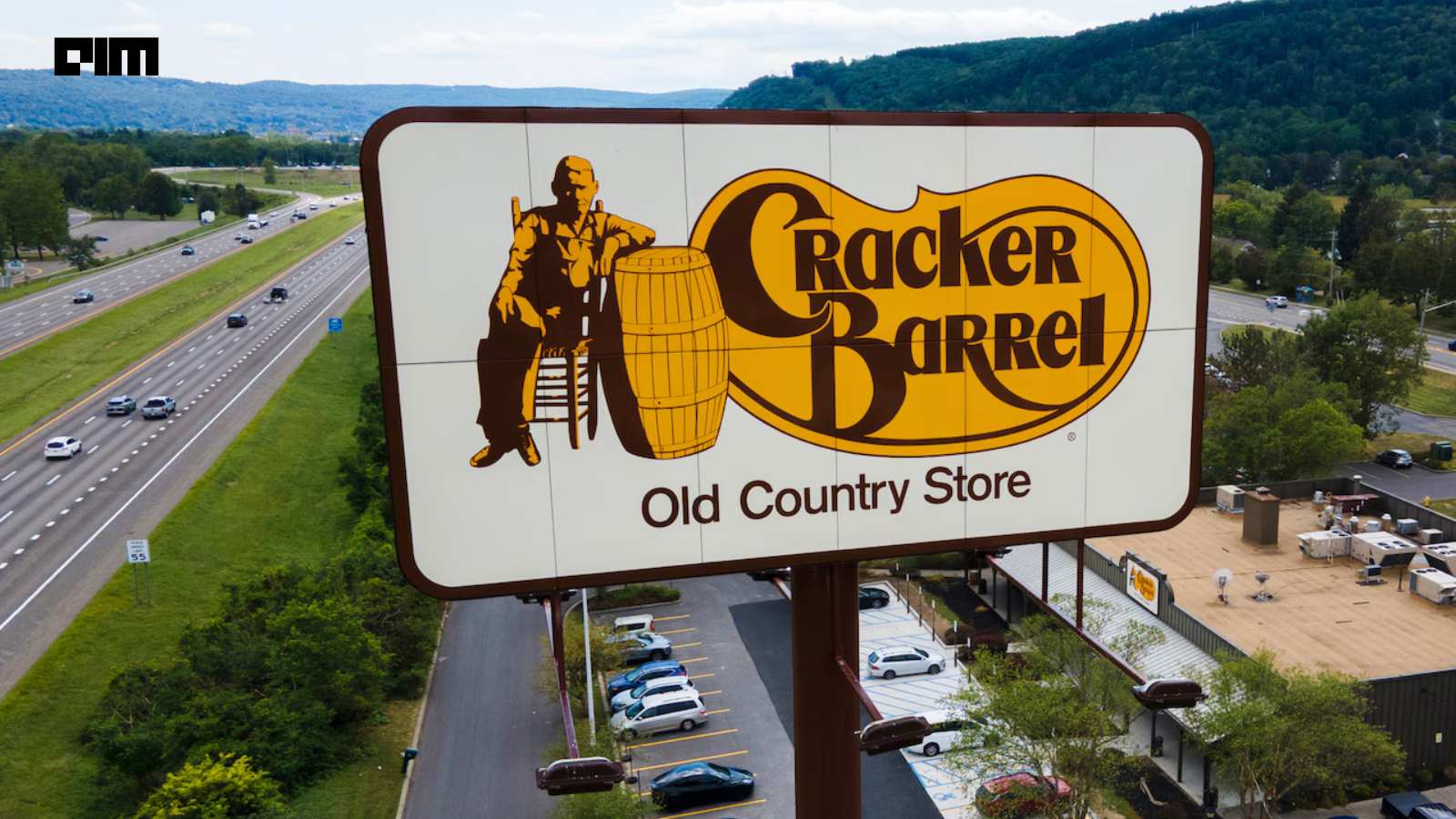
The AI deployments are directly tied to Cracker Barrel's core operational challenges.
Cracker Barrel has deployed artificial intelligence across four operational areas. Traffic forecasting, labor planning, guest relations, and feedback analytics, marking a quiet but concrete step into AI-driven operations for one of America's most traditional restaurant chains.
The disclosure came during the company's Q3 2026 earnings call on June 9, where President and CEO Julie Felss Masino and CFO Craig Pommells outlined a broader technology push that also includes a planned website upgrade designed to improve digital ordering and personalization for its guests.
The AI deployments are directly tied to Cracker Barrel's core operational challenges. Traffic forecasting and labor planning are two of the highest-cost variables in restaurant management, where staffing mismatches drive margin erosion at scale, according to the company.
Using AI to tighten those predictions has direct implications for the company's cost structure as it works to recover from sustained traffic declines across its 660-plus locations.
The Operational Context
Cracker Barrel reported total revenue of $797.4 million for the quarter, with adjusted EBITDA of $40.3 million. Comparable store restaurant sales declined 2.6%, driven by a 6.7% drop in traffic, partially offset by a 4.3% increase in average check.
Management described the results as exceeding internal expectations, and raised full-year revenue guidance to between $3.27 billion and $3.3 billion.
Labor costs came in at 37.9% of revenue, up 80 basis points due to sales deleverage, with wage inflation running at approximately 2%. That sustained cost pressure makes the AI-assisted labor planning deployment operationally significant.
For a chain of Cracker Barrel's scale, even modest improvements in shift-level staffing accuracy translate into meaningful margin recovery over time.
Loyalty and Personalization
Guest relations and feedback analytics round out the AI use cases, giving the company a more systematic way to process guest sentiment at scale, according to the company.
That capability ties directly into its loyalty program, which reached nearly 12 million members in Q3 with member-tracked sales consistently above 40%.
The planned website upgrade extends that logic into digital ordering, where personalization at the point of purchase can influence check size and visit frequency simultaneously. Pommells noted the underlying trend is improving, and adjusted EBITDA guidance was raised to $120 million to $125 million for the full year.
Key Takeaways
- Implement AI to improve traffic forecasting and labor planning, addressing key operational challenges.
- Enhance digital ordering and personalization through a planned website upgrade.
- Manage staffing efficiently to reduce cost structure and recover from traffic declines.
- Achieve total revenue of $797.4 million, exceeding internal expectations despite a 2.6% sales decline.
- Increase labor costs to 37.9% of revenue, impacted by wage inflation and sales deleverage.