FedEx Freight Targets Profit Growth, Network?
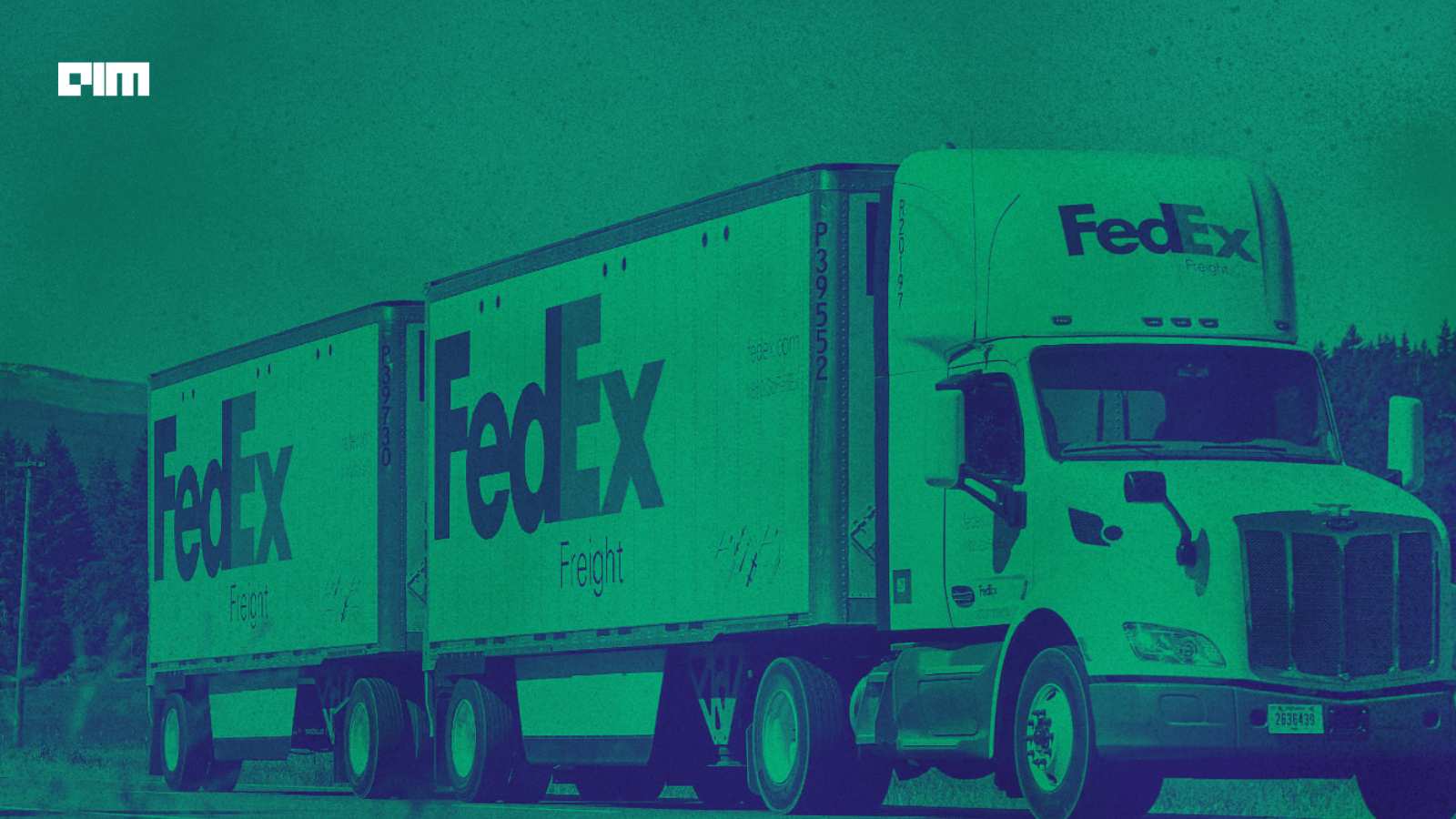
FedEx Freight outlines cost and technology strategy as it prepares to separate into an independent LTL carrier on June 1.
FedEx Freight is targeting margin expansion and network efficiency as it prepares to spin off from FedEx and operate as an independent public company on June 1.
The less-than-truckload (LTL) unit expects revenue to grow at a compound annual rate of 4% to 6% and operating income to increase 10% to 12% over the medium term, according to Reuters. The company generated about $8.7 billion in revenue and $1.1 billion in operating income, with margins near 12%.
The strategy centers on streamlining operations and improving commercial execution as a standalone business. Executives outlined plans to optimize the network and fleet to lower costs while expanding higher-margin freight services, including specialized and temperature-controlled shipments, Reuters reported.
FedEx Freight also plans to modernize its technology systems and automate core processes such as pricing, booking, and invoicing. These changes are intended to reduce manual work and improve service consistency across its network.
The company presented its roadmap during an investor day ahead of the separation. As part of the transition, it is focusing on building a simplified operating structure that supports both cost control and revenue growth, according to reporting from The Wall Street Journal.
Technology and data systems are a central part of that effort. FedEx Freight has reduced its application footprint by more than 300 systems and is working to cut its overall technology stack by over 20% as it prepares to operate independently . The company is standardizing its core platforms across customer management, cloud infrastructure, and enterprise systems.
It is also deploying machine learning tools to improve network planning, forecast shipment volumes, and optimize routing decisions. These systems use shipment-level and operational data to reduce handling time and improve asset utilization across the fleet .
On the commercial side, FedEx Freight is investing in a unified customer platform to bring together sales, service, pricing, and support functions. The system is designed to provide a single view of customer interactions and improve lead prioritization, pricing accuracy, and service response times .
The company operates one of the largest LTL networks in North America, with hundreds of service centers and tens of thousands of vehicles. Its customer base is largely long-standing, with a majority of revenue coming from shippers that have used its services for more than a decade .
Industry conditions remain mixed, with freight demand still recovering and costs such as fuel continuing to pressure margins, according to Reuters. The company expects near-term costs related to the separation and technology upgrades but is positioning the business for improved operating leverage over time.
FedEx said in 2024 that it would separate the freight unit to focus on its core express and parcel operations. The spin-off is expected to give FedEx Freight more flexibility to invest in its own network, technology, and growth strategy as an independent carrier.