What Does Shantanu Narayen's Departure Mean for Adobe?
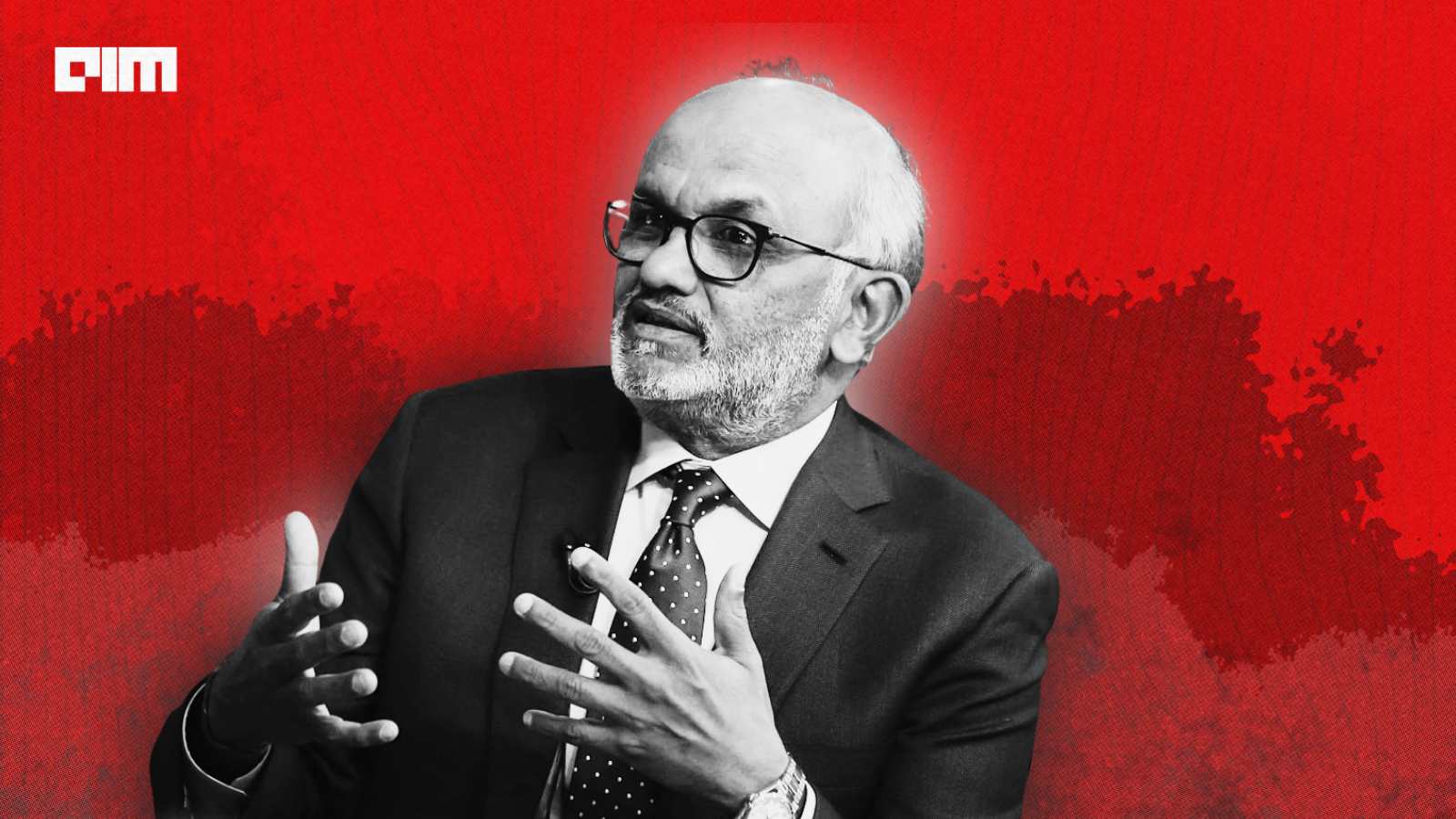
"Adobe has never waited for the future to arrive. We've anticipated it. We've built it. And we've led it."
Shantanu Narayen joined Adobe in 1998 and became CEO in 2007. Over the next 18 years, he helped turn its flagship products like Photoshop, Illustrator, Premiere Pro, and InDesign, into the industry standard for creative professionals worldwide. On Thursday, he announced he would be stepping down as CEO once a successor is found.
"This is not a goodbye by any means, but a time for reflection," Narayen wrote in a letter to employees. He will remain involved with the company as chair of the board, working alongside lead independent director Frank Calderoni on the search for his replacement.
The announcement sent Adobe shares tumbling more than 7% in extended trading, a market reaction that said less about Narayen's tenure and more about the uncertainty surrounding one of software's most established franchises.
Narayen's decision to step down comes as Adobe finds itself at one of the most consequential inflection points in its history. Under his watch, the company launched Firefly, its generative AI image platform and integrated third-party AI models directly into Photoshop and Premiere Pro.
Despite those efforts, investors have grown increasingly impatient about when those investments will translate into durable, accelerating revenue.
Narayen said he intends to "set up Adobe for its next decade of greatness with the right leader," signalling a deliberate handover rather than an abrupt departure.
Strong Numbers, Nervous Investors
The timing of Narayen's departure speaks for itself. It came on the same day Adobe reported quarterly financial results that were strong. First-quarter revenue came in at $6.40 billion, a 12% increase year over year and ahead of analyst estimates of $6.28 billion.
Adjusted earnings per share were $6.06, beating expectations of $5.87. Subscription revenue grew 13%, with Creative and Marketing Professionals contributing $4.39 billion, topping forecasts of $4.32 billion.
Adobe's AI-first annualized recurring revenue more than tripled year over year. The company ended the quarter with $26.06 billion in total ARR, in line with Wall Street's estimate.
For the current quarter, Adobe forecast revenue between $6.43 billion and $6.48 billion, with adjusted earnings per share of $5.80 to $5.85, both ahead of analyst projections. The company reaffirmed its full-year guidance.
And yet the stock fell. The numbers were not the story. The question investors are asking is whether Adobe's next leader can do what Narayen could not fully resolve, convince the market that Adobe's AI strategy will translate into actual revenue before newer competitors close the gap.
An Open Chair at the Worst Possible Moment
Adobe is navigating a software landscape that AI is fundamentally redrawing. Tools that once required years of training to master are being approximated by AI-native platforms that are faster, cheaper, and more capable.
Adobe's dominant position, built over decades on the complexity and power of its products, is being challenged by a new generation of competitors for whom that complexity is the problem they are solving.
"The next era of creativity is being written right now, shaped by AI, by new workflows and by entirely new forms of expression," he wrote to staff. "Adobe has never waited for the future to arrive. We've anticipated it. We've built it. And we've led it."
Investors, however, remain unconvinced about the pace of monetization. Adobe's shares have fallen approximately 22% so far in 2026, following a decline of more than 21% in 2025.
"Investor skepticism about monetization timing and payoff may have factored into a drop in its share prices," Grace Harmon, analyst at Emarketer, told Reuters.
She added that investors will likely focus on whether incoming leadership can maintain "a balance between disciplined execution and aggressive AI investment, especially as competition in creative and enterprise AI intensifies."
The concern is structural. Automated AI tools and agents threaten to disrupt traditional software subscription models by offering quicker and cheaper alternatives to products that have historically justified premium pricing through their depth and precision.
Narayen leaves behind a company that is larger and more profitable than when he took the helm. His successor's challenge will be convincing investors that Adobe can maintain that trajectory while the entire creative software industry is being rewritten by AI.
Key Takeaways
- Adobe CEO Shantanu Narayen announces his impending departure, effective once a successor is found.
- Narayen will continue as chair of the board, ensuring a smooth leadership transition.
- The announcement caused Adobe shares to drop over 7%, reflecting investor uncertainty about the company's future.
- Under Narayen, Adobe launched innovative products like Firefly and integrated AI into core software.
- Narayen aims to prepare Adobe for future success by selecting the right leader for the next decade.