If AI Breaks the Economy, It Won’t Look Like This
A fictional 2028 crisis rattled markets. Labor, credit and corporate earnings tell a more measured story
Last week, a speculative memo from Citrini Research spread quickly across Wall Street. Written as if it were June 2028, it described a future where artificial intelligence delivers huge productivity gains but destabilizes the economy in the process.
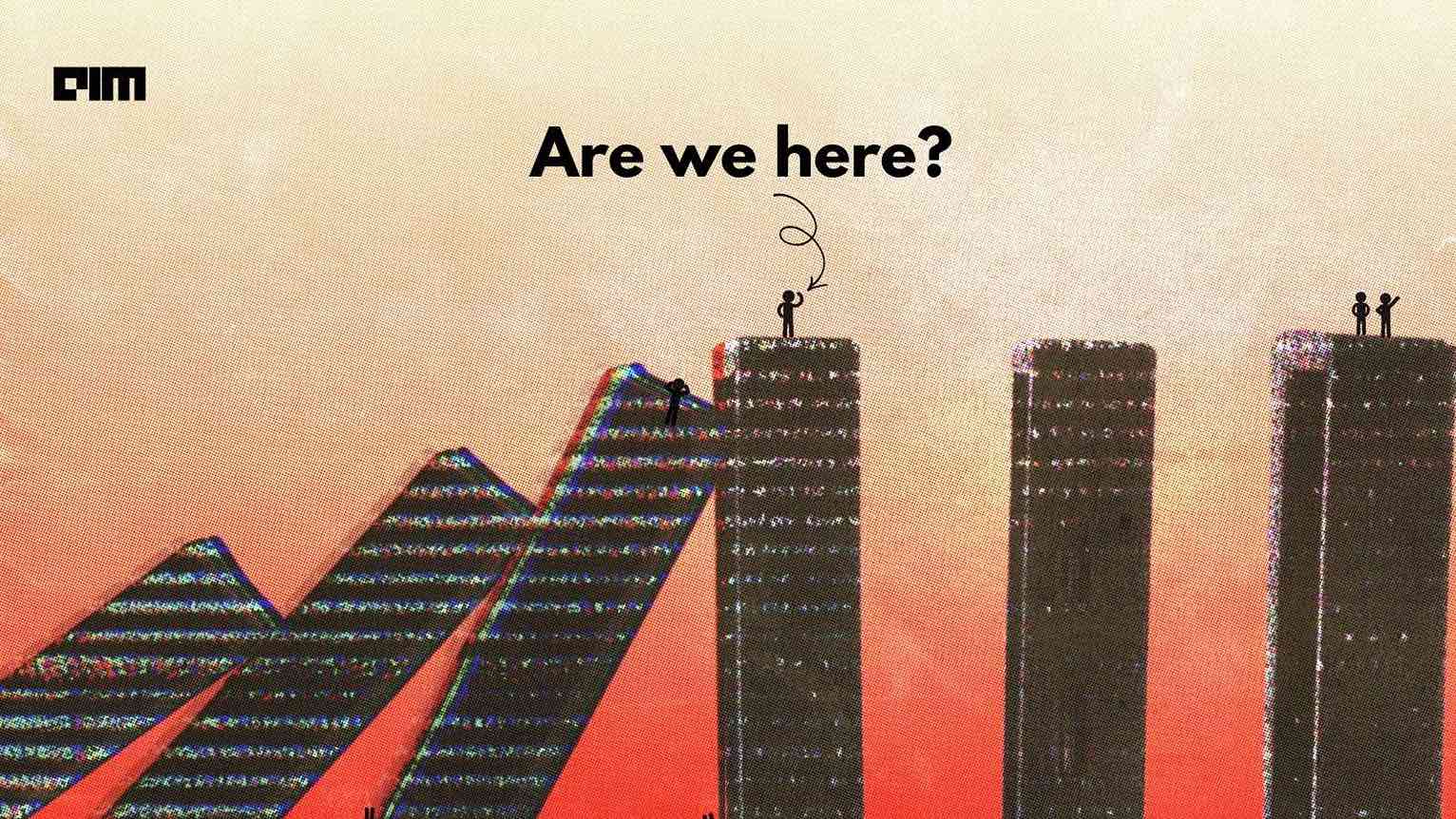
Like dominoes: White-collar workers lose jobs. Consumer spending weakens. Software contracts shrink. Credit tightens. Prime mortgages begin to strain.
Investors reacted. Shares of DoorDash, American Express, KKR and Blackstone fell as traders debated whether the scenario was distant or already unfolding.
The memo models a chain reaction. The question now is whether the pieces of that chain are moving fast enough.
Big Shifts Take Time
Large economic disruptions usually take time.
The housing boom that led to the 2008 financial crisis built for years before banks failed. The dot-com bubble burst in 2000, but job losses unfolded over the next two years. Credit stress typically appears after income weakens and balance sheets deteriorate over several quarters.
Current labor data don't show sudden breakage.
In December 2025, the United States had about 6.5 million job openings, the lowest level in several years but still within historical norms.
Layoffs and discharges totaled about 1.8 million that month, while hiring was roughly in line with separations.
Initial jobless claims rose to about 231,000 in late January 2026. That is higher than recent lows but still modest by long-term standards.
AI tools have spread quickly among consumers. Enterprise decisions move more slowly. Software contracts renew annually. Large systems are not replaced overnight. Financial stress takes time to surface in earnings and loan performance.
If the economy were already entering a rapid AI-driven downturn, labor data would likely show sharper changes across multiple quarters.
Follow the Money
The memo’s central concern, along with job loss, is income.
Machines do not spend money. If AI systems replace high-paid workers and companies keep the savings as profit, household demand could weaken even if productivity rises.
But AI spending is also large and visible.
Technology companies are investing heavily in infrastructure such as data centers, semiconductors and power systems. That spending supports construction workers, engineers and technicians. Those workers earn wages and spend them in local economies.
Corporate earnings help show where income is flowing.
Salesforce reported fourth-quarter fiscal 2026 revenue of about $11.2 billion, up roughly 12% from a year earlier. The company exceeded Wall Street expectations even as its stock declined on cautious guidance.
ServiceNow has continued to report subscription revenue growth in recent filings, indicating ongoing customer spending.
Mortgage performance also reflects household income trends. The overall mortgage delinquency rate rose to about 4.26% in the fourth quarter of 2025. That is an increase, but still well below levels seen during the financial crisis.
Income is shifting. Productivity gains appear strong in some sectors. Wage growth has been steadier. The gap between output and household income is the pressure point the memo highlights.
Whether that gap widens enough to slow demand depends on how broadly job displacement spreads.
Here’s What Would Show Up
The memo describes a sequence: job losses reduce spending, which weakens companies, which tightens credit, which feeds back into more job losses.
If that sequence were already underway, several patterns would likely appear at the same time.
White-collar unemployment would rise consistently over several quarters. Instead, job openings have declined relatively gradually and unemployment remains within a historically moderate range.
Large enterprise software companies would report falling subscription revenue and widespread contract cancellations. Instead, Salesforce continues to report year-over-year revenue growth.
Mortgage delinquencies among higher-income borrowers would rise sharply if household earnings were deteriorating quickly. Current data shows modest increases, not surges.
Payment networks such as Visa and Mastercard would likely show sustained declines in transaction volume if spending were falling rapidly. Recent earnings reports have not indicated such a shift.
Also read: Mastercard’s AI Payment Pilot Puts Pressure on Visa
Each of these indicators can be tracked in real time.
Not a Crisis, Yet
The Citrini memo resonated because it linked technological progress to income. It focused on what happens if the cost of intelligence falls faster than household earnings adjust.
Markets react to plausible paths.
Labor demand has cooled. Mortgage delinquencies have risen modestly. Investment in AI infrastructure continues to expand. At the same time, large software firms are still reporting revenue growth.
Those indicators are moving, but they are not yet reinforcing each other across labor, credit and corporate earnings.
The next few quarters of data will determine whether these trends remain separate or begin to converge.
Key Takeaways
- Recognize that AI's economic impact will unfold gradually, not instantaneously.
- Understand that current labor data doesn't indicate an immediate economic crisis.
- Note the historical context of economic disruptions taking years to develop.
- Acknowledge investor reactions to speculative AI crisis scenarios on Wall Street.
- Monitor ongoing trends in job openings and layoffs for future economic stability indicators.