How does Collins software boost Air Force autonomy?
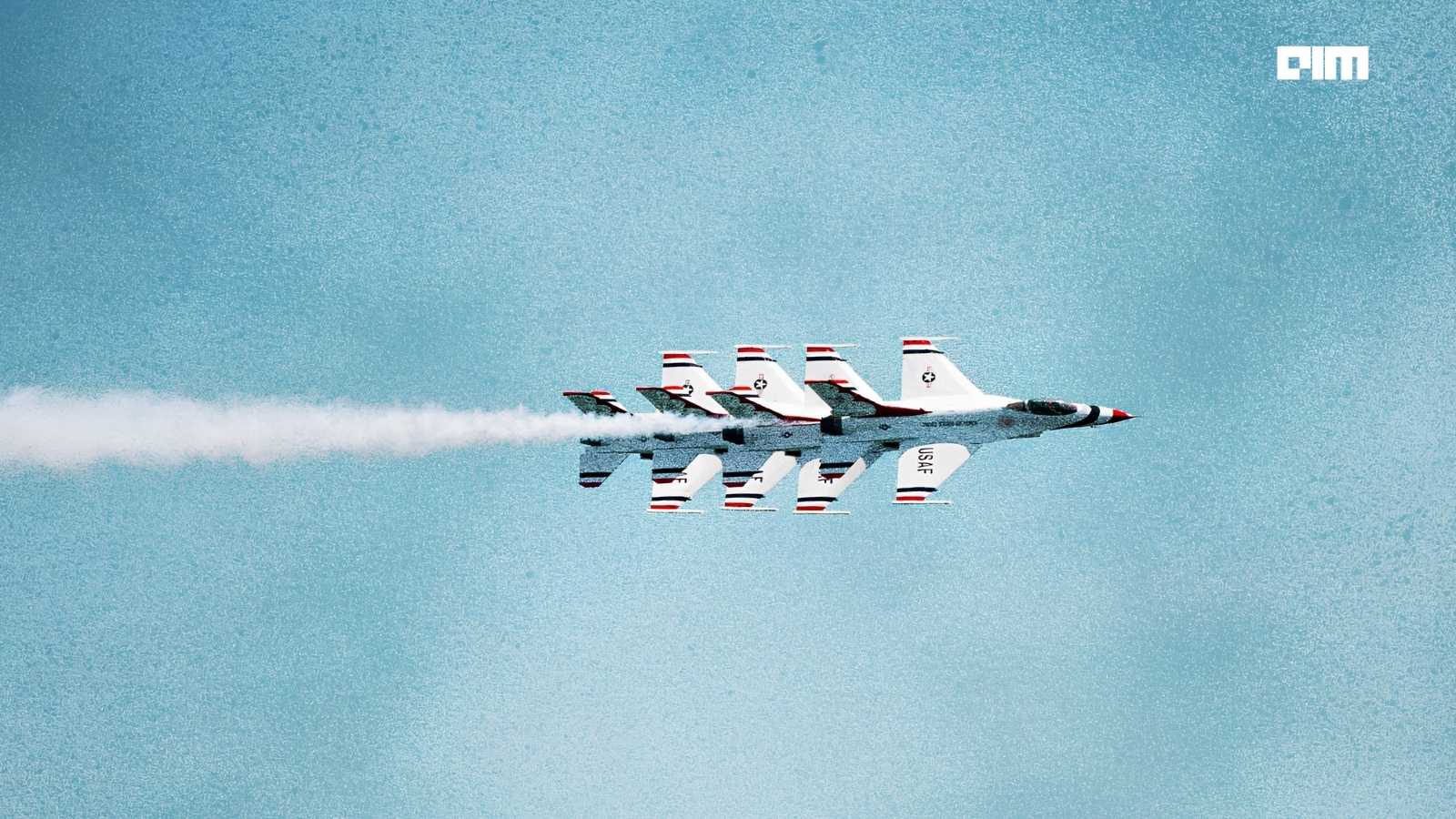
Collins is one of three vendors awarded a competitive production option to fast-track software delivery for the Air Force's first-generation semi-autonomous combat fleet.
The United States Air Force on June 17, 2026, selected RTX Collins Aerospace, a business of RTX, as one of three vendors to receive a competitive production award for mission autonomy software under the Collaborative Combat Aircraft (CCA) Increment 1 program. Collins will deliver its” Sidekick” mission autonomy software, designed to support the Air Force's vision for human-machine teaming and future air superiority.
Collins was selected alongside Anduril and Shield AI for the production option, according to the Air Force, based on their ability to meet demanding schedule and affordability requirements.
The remaining three vendors in the broader baseline contract pool, General Atomics, Lockheed Martin, and Northrop Grumman, were not awarded production options at this stage.
"Mission autonomy is the cornerstone of the CCA concept, and leveraging a competitive, multi-vendor environment ensures we capture the latest technology," said Secretary of the Air Force Troy Meink. "This approach guarantees our Airmen are equipped with state-of-the-art capabilities today but keeps the door open for the breakthroughs necessary to maintain air superiority."
Competitive Software Marketplace
The Air Force structured the mission autonomy effort as a six-year baseline contract vehicle covering six vendors, the service said. For Collins, this funds the first of two six-month competitive phases to speed the delivery of operational software to warfighters.
Following the initial phase, the Air Force said it will evaluate each vendor's progress before executing a second competitive award period. That process is expected to culminate in the selection of a primary mission autonomy provider for CCA Increment 1, with a final award planned for summer 2027.
All vendors, including Collins, are required to comply with the government-owned Autonomy Government Reference Architecture (A-GRA), the Air Force said. A-GRA is an open systems framework that decouples software from hardware, allowing mission autonomy software to be integrated, updated, and ported across different aircraft platforms.
The CCA program is designed to field semi-autonomous aircraft that operate alongside crewed fighters, extending reach, awareness, and survivability in contested environments, according to the Air Force. The service said it intends to field approximately 1,000 combat-capable CCA, with a procurement goal of more than 150 combat-ready aircraft by the end of the decade.
"Collaborative Combat Aircraft change how we project power and generate mass in highly contested environments," said Air Force Chief of Staff Gen. Ken Wilsbach. "Delivering this capability to our warfighters faster ensures our forces maintain the tactical edge required to deter and, if necessary, defeat any adversary."
Collins' selection as a production awardee places the company in direct competition for the primary autonomy software role that will underpin the Air Force's next generation of airpower.
>
Key Takeaways
- Collins Aerospace secured a U.S. Air Force contract to develop mission autonomy software for semi-autonomous combat aircraft.
- Collins will deliver its "Sidekick" mission autonomy software, designed for human-machine teaming in air superiority.
- The Air Force's competitive multi-vendor strategy aims to accelerate technology and ensure state-of-the-art capabilities.
- Collins is one of three vendors selected for a production option, with a final provider to be chosen by summer 2027.