How Will AI Automate Hospital Operations?
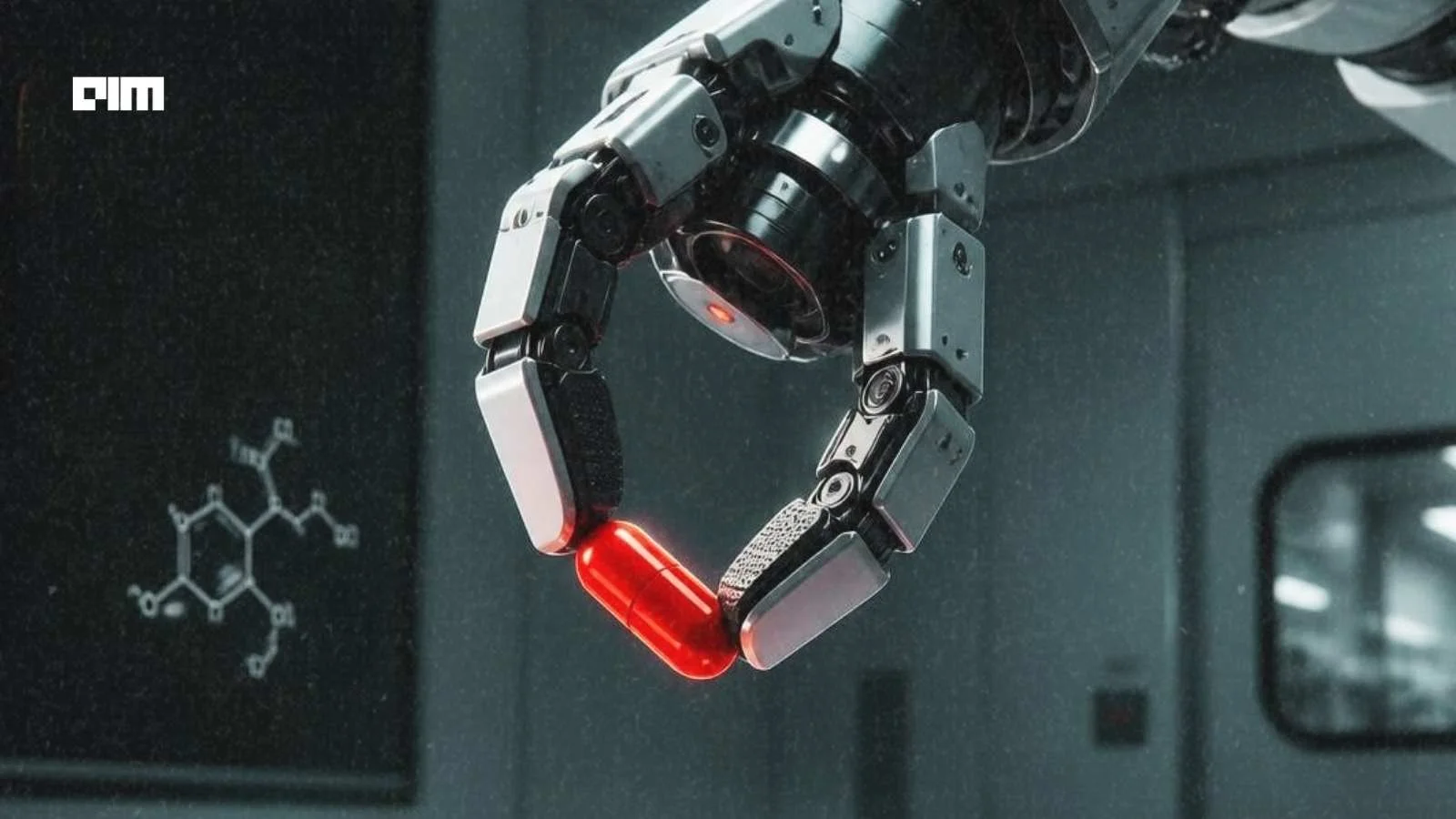
The collaboration will target in-hospital transport of medications and specimens, along with AI-driven outpatient reception and guidance services.
Kawasaki Heavy Industries, Ltd. announced on July 16, 2026, the start of a business study with Fujitsu Limited in the field of physical AI. The heavy machinery and robotics manufacturer said the study is aimed at integrating hospital business systems, including electronic medical records, with robot systems and AI in the healthcare field.
According to the company, the goal is to accelerate the social implementation of physical AI and support a society in which people and robots coexist and collaborate. The two companies will combine Kawasaki's robotics technology with Fujitsu's computing and software development capabilities, the company said.
Yasuhiko Hashimoto, President and Chief Executive Officer of Kawasaki Heavy Industries, Ltd., said addressing challenges in the healthcare and nursing care sectors through robotics and AI is an urgent priority. "By combining these strengths with Fujitsu's advanced IT capabilities and digital platforms, we are confident that we can realize a hospital one-stop solution that safely and efficiently connects every stage of the patient journey," Hashimoto said.
The study will focus on enabling robots to autonomously execute tasks based on optimized plans triggered by instructions from in-hospital business systems, as per the company. This includes automating the in-hospital transport of medications and specimens, as well as developing AI agents for outpatient reception and guidance services.
Building on the San Jose Hub
The initiative follows the establishment of the Kawasaki Physical AI Center San Jose in May 2026, a hub in Silicon Valley created to accelerate Japan-U.S. collaboration in AI and semiconductors, the company said. Kawasaki is currently working with global technology partners including Fujitsu, NVIDIA, Microsoft and Analog Devices, along with academic institutions, according to the company.
As a first step, Kawasaki said it aims to establish a hospital one-stop solution covering the full patient journey, from arrival and examination to diagnosis, treatment, surgery and post-care. The company also announced plans to join the NVIDIA Cosmos Coalition to develop open world models intended to help test and optimize physical AI systems before deployment.
Kawasaki said it will expand investment in physical AI research and development and strategic alliances to accelerate social implementation across manufacturing, logistics, healthcare and other sectors.
Takahito Tokita, Representative Director, CEO of Fujitsu, said the collaboration combines Kawasaki's robotics technologies and operational expertise with Fujitsu's strengths in computing and software development. "We are confident that this collaboration... will deliver new value in the healthcare and nursing care sectors, where significant challenges continue to grow," Tokita said.
Kawasaki said the partnership reflects its strategy to combine Kawasaki Group products with NVIDIA's AI and simulation technologies, leveraging data and manufacturing expertise accumulated over many years to address societal challenges while pursuing sustainable business growth.
>
>
Key Takeaways
- Kawasaki and Fujitsu launch study to integrate robotics and AI in hospital operations.
- Focus on automating transport of medications and specimens within healthcare facilities.
- Develop AI-driven systems for outpatient reception and patient guidance services.
- Aim to enhance collaboration between humans and robots in medical environments.
- Initiative builds on Kawasaki's Physical AI Center in San Jose for U.S.-Japan collaboration.